All Party Parliamentary Group (APPG) on Learning Disability
Date: 9/12/2020
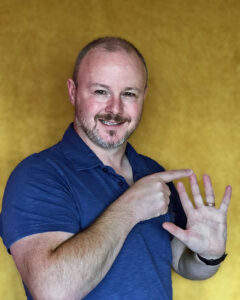
Blog by Ivan Olbrechts and James O’Rourke, Family and Friends Representative Body members
Stronger, Louder, Together!
Date: 9/12/2020
Blog by Ivan Olbrechts and James O’Rourke, Family and Friends Representative Body members

What is Good Lives: Building Change Together?
Work on Good Lived started in 2020, when a group of 40 self advocates came together in Birmingham.
The Good Lives framework brings together people’s thoughts and ideas about what it will take for everyone with learning disabilities to be able to live their good life.
The framework is there for anyone who is interested.
Learning Disability England host it but they do not control it.
It is not an end point. It is not a report.
It is a framework to start a debate or give ideas for action
The Framework document
Read Good Lives Building Change together here
Read the black and white version here
Read the Plain English summary here

The Good Lives Framework has 6 chapters.
Each chapter looks at what is happening now as well as what rights agreements say
There is also work that people are already doing that is brilliant or important.
And some ideas for change that anyone can start to use now or campaign for together.

The first session at the 2022 conference was when Good Lives: Building Change Together went live.
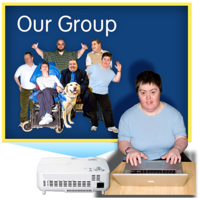
The next step for the Good Lives framework is for people to work together to make it better or to take action if they can
What might you do to turn the framework into real change so that all people with learning disabilities can live their #GoodLives?
Do you have a particular interest in your area?
Do you have things you or your group want to share or make happen?
How Learning Disability England will help
Learning Disability England does not own the Good Lives framework.
It is everyone’s work.
We will help by:

Gathering information about what people are doing and sharing it
The staff team will collect information and ideas that people tell us about.
Please email us with feedback, or anything you want to share on what you are doing to make Good Lives happen by emailing on info@LDEngland.org.uk.

Helping to connect people
Do you need help connecting to others who are working on the same thing?
If so, contact Rachael and Gary, Membership and Engagement Leads, by email on info@LDEngland.org.uk or phone them on 0300 111 0444.

Hosting some sessions to help people share what they are doing
Click here to see the latest free webinars and online workshops for members

An open letter to the producers of Emmerdale…

At the Open University, there is a group called The Social History of Learning Disability Research Group.
People with learning disabilities are part of their research teams.
Over the summer they researched started two research projects.

On 27 November we told you about what Learning Disability England members are doing to campaign for people with a learning disability to get the vaccine as a priority group.
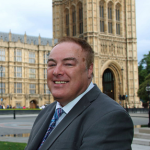
Gary Bourlet, Learning Disability England’s Membership and Engagement Lead, has made a blog with some simple steps for staying safe this winter.Watch Gary’s video blog here
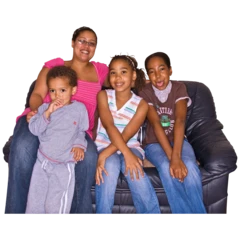
Equal Treatment was completed over 2022. The project worked with 3 partners and aimed to challenge racism and health inequalities through strengthening self-advocacy and peer support.
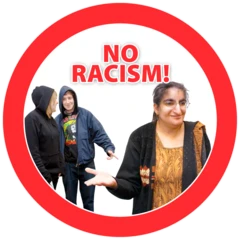
The project helped groups think about how to be more inclusive and good allies to tackle racism.
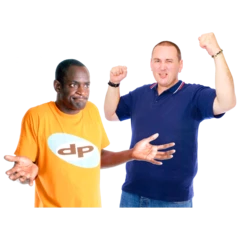
We know some people are treated differently because of racism or prejudice.
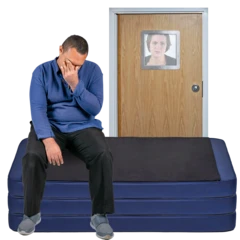
We know people with a learning disability from ethnic minority communities don’t get equal access to health care.
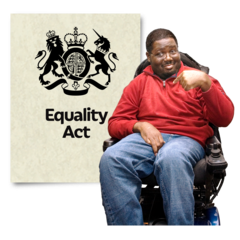
The project was to help more people know about their rights to help them get equal treatment.
Learning Disability England worked in partnership with Race Equality Foundation on this project.

It was funded by NHS England.
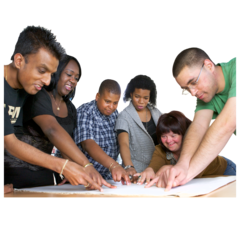
There were 3 strands of work in the project.
A coproduction group helped choose the partners for the work.
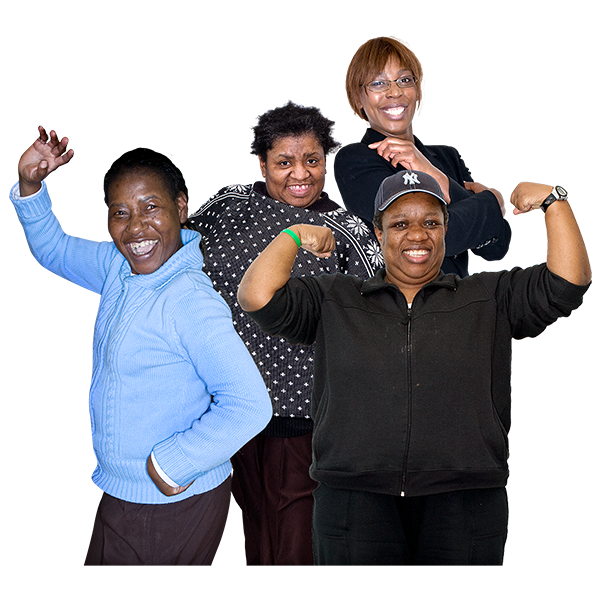
Strand 1: Strengthening inclusive self-advocacy
Changing Our Lives worked with 10 self-advocacy groups to deliver training to help them understand and challenge racism.
They supported self-advocates and senior leadership teams to think about how to be anti-racist and plan for how they could be more inclusive in their work in future.
Strand 2: Strengthening family led or parent peer support
Contact led a similar piece of work with 13 family carer groups.
Their training was created through conversations with each group to understand their needs.
It helped them to develop a practical understanding of representation and inclusion, intersectionality, how to identify information gaps and action planning.
Strand 3: Strengthening local community responses on tackling health inequalities and unfair treatment

Include Me Too worked with community groups led by people from minority ethnic communities.
They worked with groups who don’t work with people with learning disabilities all the time to include them more in their work.
We wanted to help connect community groups led by ethnic minority communities with groups led by self-advocates and families.
Include Me Too held a series of online workshops and seminars to bring people together and create space for people to have conversations about shared inequalities.
Shared Learning
Some of the key learning from the project included:

Resources:
We held a learning session where all three of strand of the project shared their learning.
You can watch it here:
Presentations from all three speakers sharing their learning are here
You can view a number of anti-racism resources created by Changing Our Lives here
You can view Contact’s Diversity and Inclusion Toolkit here and an easier read version here

If you would like to find out more about the project you can email: rachael.hall@LDEngland.org.uk
New learning disability self advocacy map will help to connect people and share work
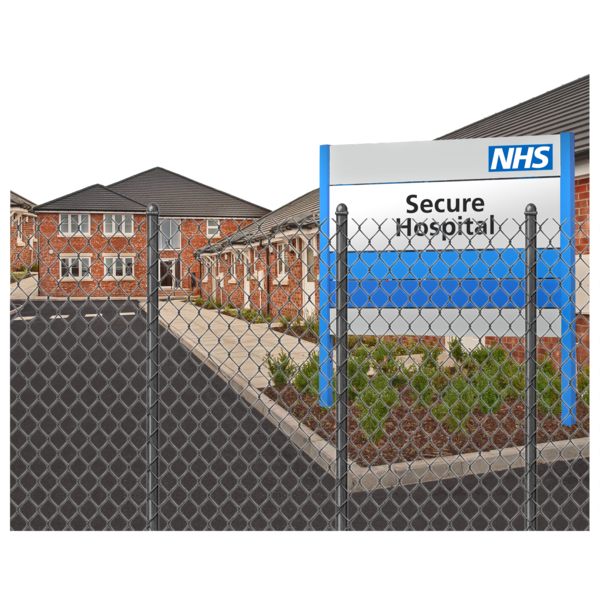
People with a learning disability or autism may be kept in hospital or a treatment unit because of the way they have behaved.
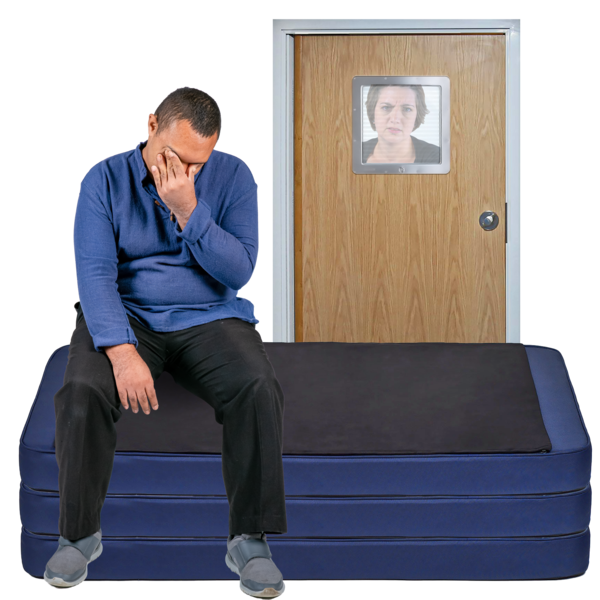
Sometimes these people are held for too long, making the person with a learning disability and their families very unhappy.
There have been some changes to how the Department for Health and Social Care lead on the work to stop people going into specialist hospitals or help people leave after treatment with good community support.
This has been called the Transforming Care programme before.
They are now calling all the work Building the Right support.
This is the name that has been used before for the national plan.
The national plan came from the Building the Right Support evaluation in 2018.
What has changed
How the work is checked has changed. There will now be:
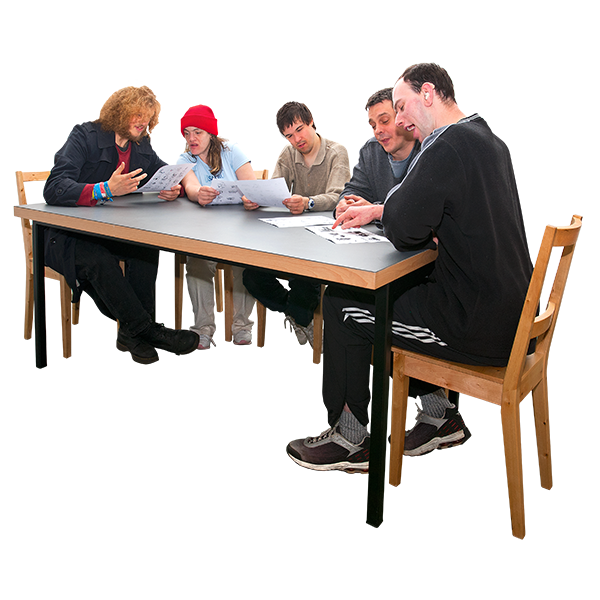
A Delivery Board chaired by the Minister of State for Care, Helen Whately.
The Delivery Board met for the first time in February 2021 and will continue to meet every 3 months.
An Advisory Group of people with lived experience and their families – supported byHealth and Wellbeing Alliance partners.
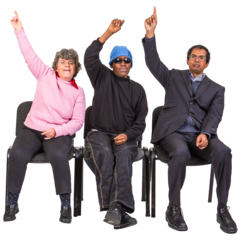
A Stakeholder Update Forum .
The Forum will meet quarterly, and brings together stakeholders to share updates and to provide advice and challenge.
Learning Disability England is part of the stakeholder group and will share regular updates with members.
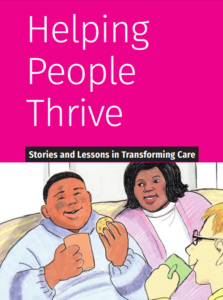
To help stop people from being admitted to secure units and kept there for too long, a guide called Helping People Thrive was created.
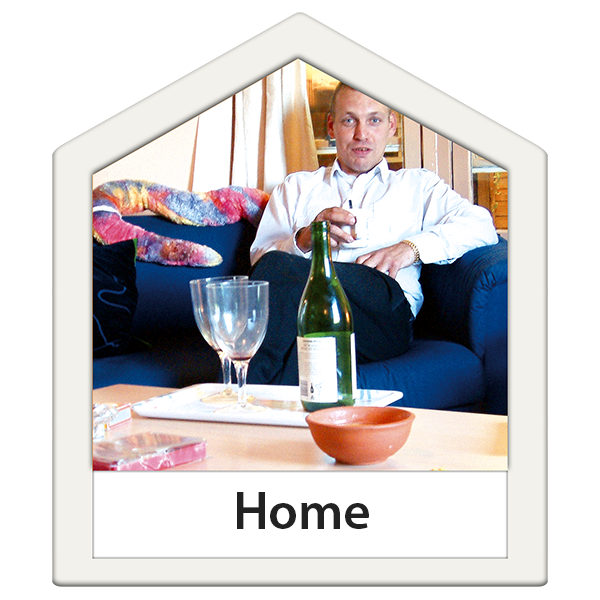
Helping People Thrive features stories about people with a learning disability or autism who were kept in hospital for too long but now live happily in their own home.
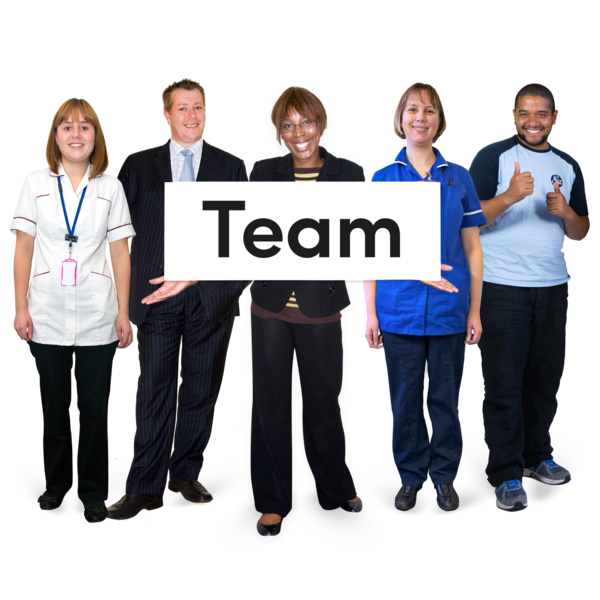
Helping People Thrive also features advice for people who work with and support someone with a learning disability.
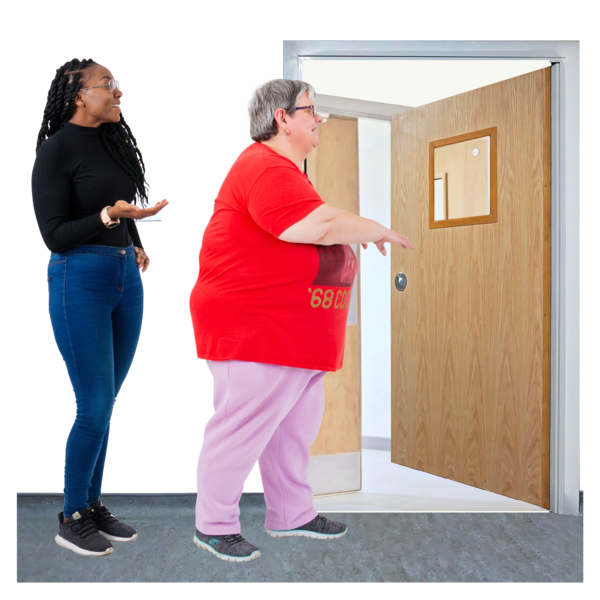
This advice tells them how they can help stop people with a learning disability from being kept in hospital or a treatment unit for too long.
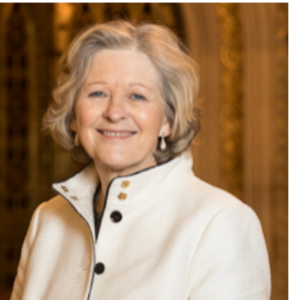
Helping People Thrive was created by the Department of Health and Social Care with a lady called Baroness Sheila Hollins.
Baroness Sheila Hollins is a professor who studies how people with a learning disability think.
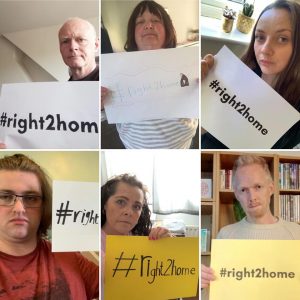
#right2home is a campaign to keep the Whorlton Hall scandal on the political agenda, and press the government to act on its promises.
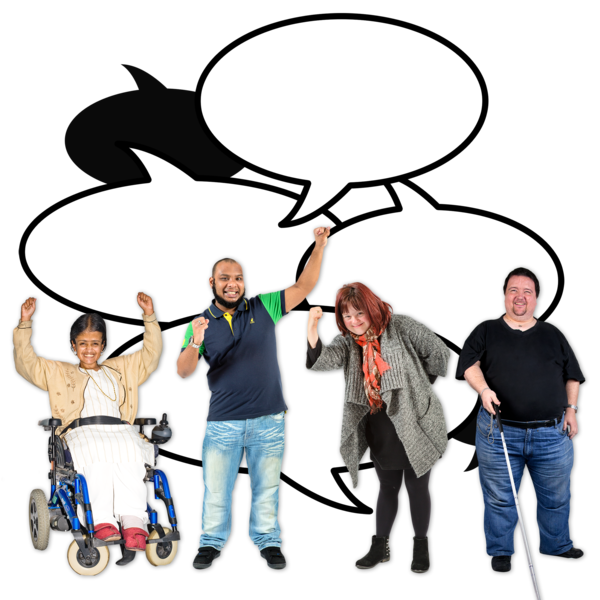
It is led by self advocates and family campaigners.
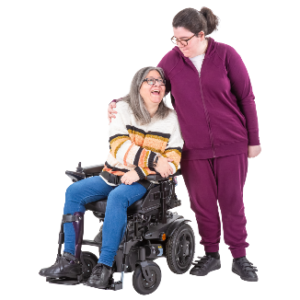
#right2visit is a website of useful resources from the #right2home campaign.
The resources are to help people and families understand visiting rights during the Coronavirus pandemic.
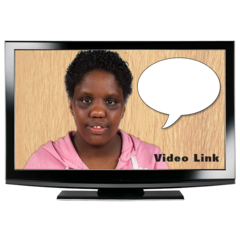
Simone Aspis, Director of Changing Perspectives, has made a VLOG about the challenges people living in institutions are facing during the pandemic.
We Are Human Too is a campaigning group made up of self advocates with learning disabilities in the North East.
The group was formed after the abuse found by CQC at St Johns hospital in December 2020.
You can find out more by watching We Are Human Too’s video here.

Do you now live at home after being kept in hospital for a long time?
Do you know someone like this?

If you were kept in hospital for a long time but now live at home, we would love to hear your story.
To share it with us, please email info@LDEngland.org.uk and tell us a little bit about yourself.

You can also call us on 0300 111 0444 for a chat about your story.
Thank you.

By Gary Bourlet
The University of Bristol has published a report on the deaths of 206 people with a learning disability who have died during the coronavirus epidemic…