

James O’Rourke, Family and Friends Member Representative at Learning Disability England, has written a blog to speak about his recent experience speaking with councillors and social care staff in Newham about what a good life means for people with learning disabilities.
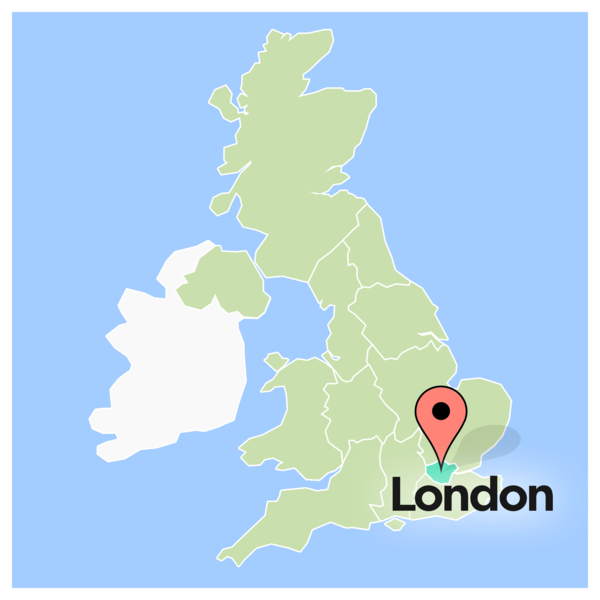
I was proud to represent Learning Disability England when I was invited to the London Borough of Newham Health and Adult Social Care Scrutiny Commission.
I went to talk to Councillors and social care senior staff about what a Good Life looks like for people with learning disabilities.
It was great to be asked. It shows Newham wants to listen and improve.

Newham has had some difficult news recently, including the Care Quality Commission (CQC) rating.

But I also heard some positive things. One of these is Newham’s work on preparing young people with learning disabilities to become an adult, which starts at age 16.
Preparing for adulthood is very important.
Together for Short Lives say that:
- Preparing for adulthood is not one big event.
- It should be a gradual process that supports young people and their families through their teenage years.
- It should ideally start at age 14, during the Year 9 school review.
- It should help young people build confidence, understand their strengths, and plan for the future they want.
- It should work with the young person, not around them.

At the meeting, I talked about the Good Lives Framework. This is what people with learning disabilities have told us is important for a good life.
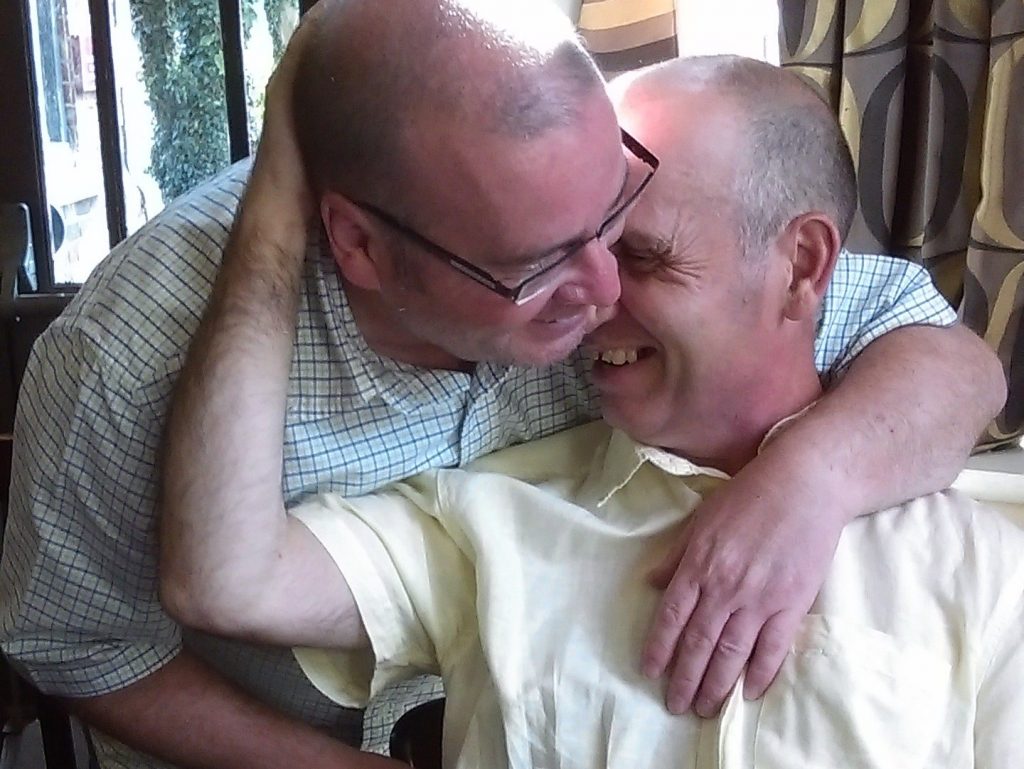
I also talked about my brother Tony, who is 62 and has moderate to severe learning disabilities.

Tony’s life shows what a Good Life can look like:
- He lives in his own flat with a tenancy.
- He lives in the borough he grew up in, close to people and places he knows.
- He is supported to stay in touch with friends and family, even those outside Newham.
- He gets support that is ordinary and human, watching TV, going to the pub, visiting our mum, keeping healthy.
- He loves and is loved by his family.
- He has found more of his own voice with help from Speech and Language Therapy.
- He contributes to his community by going to tenants’ meetings and being part of local life.
- He needs people to understand his health conditions, epilepsy, migraines, high cholesterol and constipation, because he cannot always say when he feels unwell. This is why annual health checks must be meaningful, not just a tick‑box exercise.
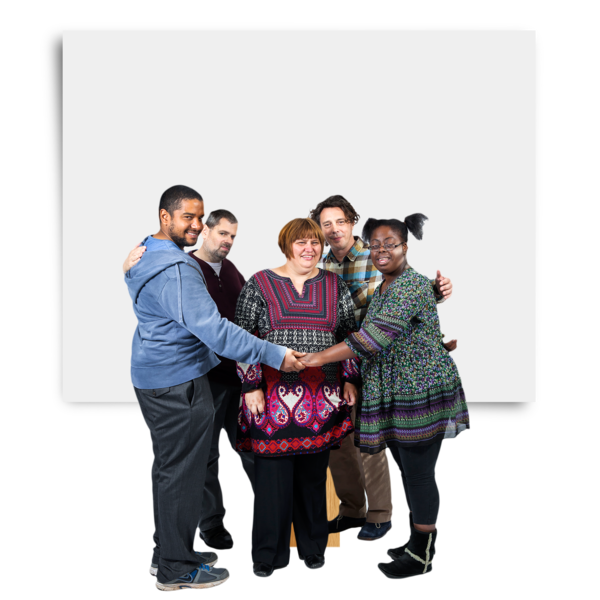
Tony is an equal citizen. People with learning disabilities are equal citizens. They belong in their communities and should have the same rights, choices and chances as everyone else.
Newham has work to do, like every borough, and Learning Disability England is available to help.