

In his latest blog, Gary Bourlet – Membership and Engagement Lead at Learning Disability England, talks about recent changes to the reasonable adjustment digital flag and the impact that this will have on his own and other people with learning disabilities experience of healthcare.
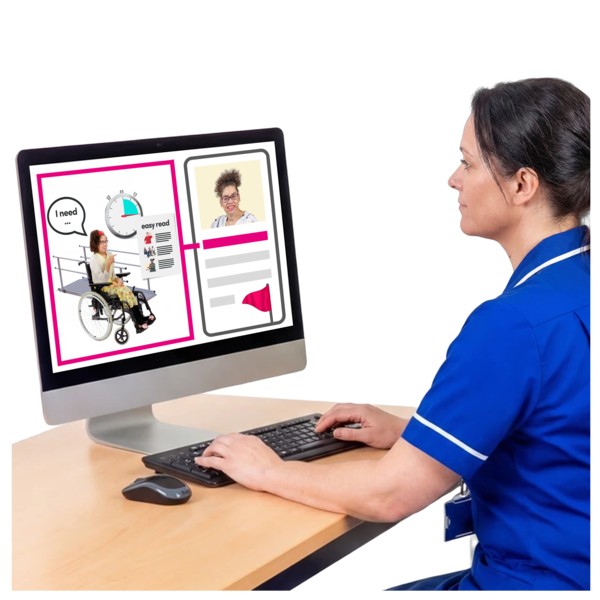
The Reasonable Adjustments Digital Flag is a national NHS record that shows what support someone needs.
It means that when you are referred to a service or arrive for an appointment, staff like receptionists, nurses or doctors can see your reasonable adjustments straight away.

This is now becoming mandatory across the NHS, which is an important step forward.

Reasonable adjustments are really important because they help people get equal access to healthcare.

Without them, people can face barriers, like information being too complicated, staff speaking too quickly, or not being given enough time.

People with learning disabilities already have poorer experiences of healthcare and, as reports like LeDeR show, we are more likely to die younger.
That needs to change. Nobody should get worse care because they have a learning disability.

My own experience of healthcare and reasonable adjustments has had its challenges, but it hasn’t been terrible.
I have had some support, and some things have worked well.

But I also know people who have had much worse experiences, where reasonable adjustments weren’t made and they weren’t listened to.
That’s why this matters so much.

In my day-to-day life, I use reasonable adjustments at work. I have a personal assistant, supportive colleagues, flexible time around appointments, and extra help in meetings.

I also need information in a more accessible way, like Easy Read. These things make a big difference in my life and help me do my job well.

Healthcare should work the same way, but often it doesn’t. I sometimes have to explain my needs again and again to different people, which can be stressful.

Medical language can be difficult to understand, and staff can speak too quickly.
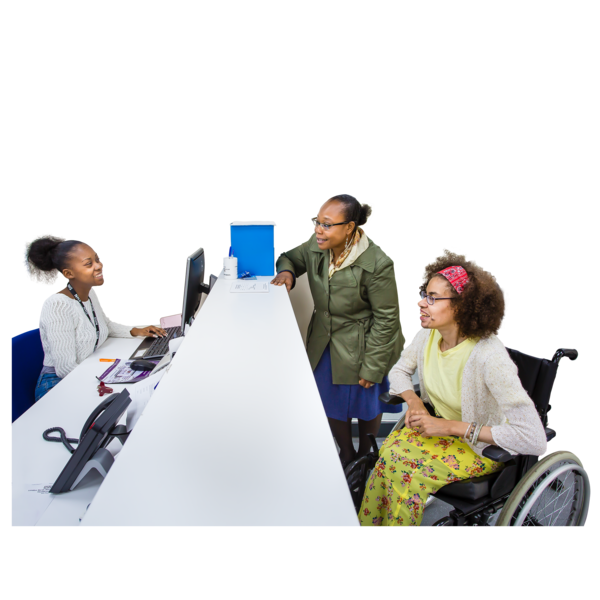
I might need more time, or the option to bring someone with me for support. Having to keep repeating this is hard.

That’s why the Reasonable Adjustments Digital Flag will be so important to me. It means staff will already know how to support me, without me having to explain everything each time.
It could make appointments less stressful and help me feel more confident.

I have also seen good reasonable adjustments in healthcare. For example, my chemist texts me when my prescription is ready, which really helps.

If I moved to a different chemist, I would want the same support. The digital flag could help make that more consistent.

But reasonable adjustments don’t just help reduce anxiety and save time, it can make communication both ways more effective, which can save lives.
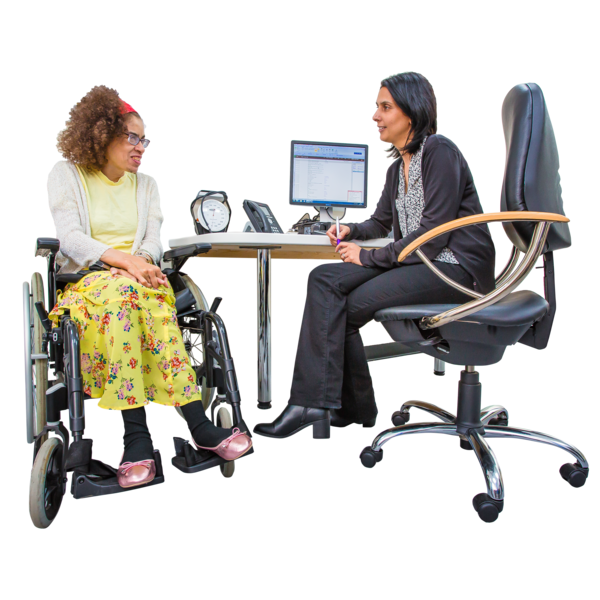
We also need to keep working to improve healthcare more widely, including better health checks and making sure people with learning disabilities are involved in decisions about services.

The Reasonable Adjustments Digital Flag is an important change. It won’t fix everything, but I think it’s a big step towards making healthcare work better for people with learning disabilities.