

Blog by Gary Bourlet – Membership and Engagment Lead, Learning Disability England
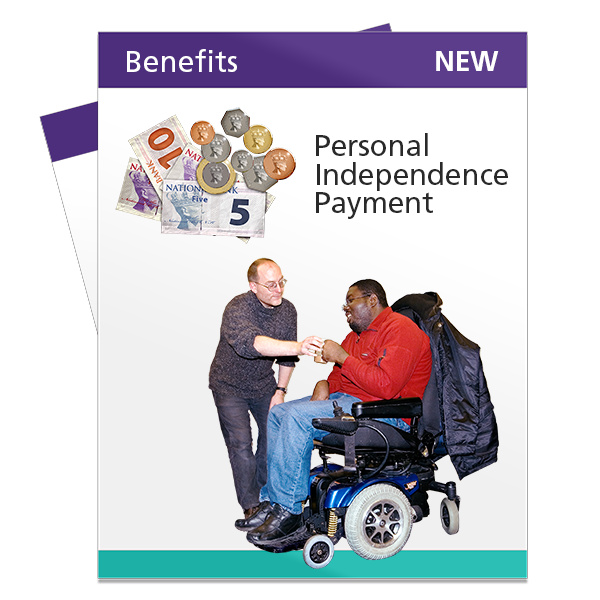
The Timms review is looking at PIP (Personal Independence Payment).

PIP is a benefit that was made to help cover the extra costs of living with a long-term physical or mental health condition or disability.
For people to pay for things like getting around and managing their health condition.

There is a steering group which is planning and leading the work of the review and includes some people with learning disabilities.
They have written a report which looks at what has been done so far by the review and what still needs to be done.
Read the report here (accessible formats are available)

Later in the year they will publish another report with their recommendations – or ideas for how things can be made better.

I am writing this blog to talk about what they said they found in their call for evidence, where they asked lots of people what they thought of PIP.

We did two workshops with members to find out their views and experiences and answered the call for evidence.
You can read a plain English summary of our in-person workshop here

I also have my own experience of PIP – experiences of having my benefits stopped and of finding the process very confusing and worrying.

The Timms Review heard similar experiences from people who responded to its call for evidence.
Learning Disability England heard many of the same concerns from its members too.

We asked members to tell us one word they would use to describe PIP now, and this is what some people said: ‘Good’, ‘Bad’, ‘Survival’, ‘Stressful’, ‘Inconsistent’, ‘Traumatic’, ‘Devastating’ and ‘Complicated’.

The word ‘Survival’ stood out to me as many people are using PIP to help pay for everyday living costs. This is because it is not enough to cover the extra costs of being disabled.

I hope the government really hears this. PIP shouldn’t be about survival it should help people with disabilities have the same chance of living a good life as everyone else.
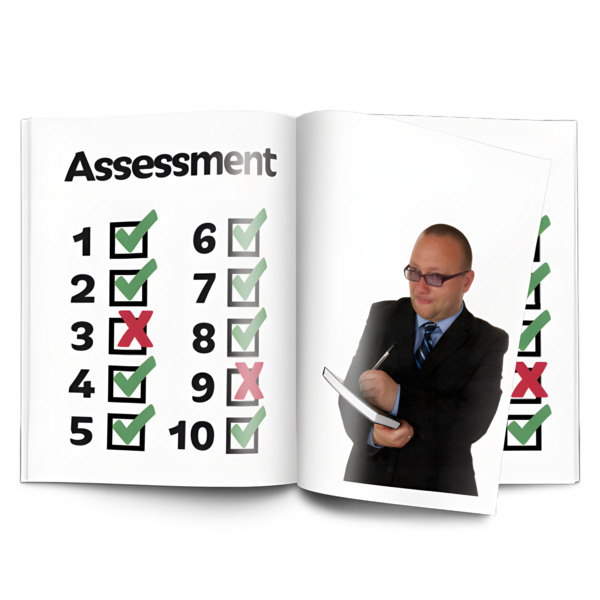
The call for evidence found lots of people have problems with asking for PIP and the assessments for PIP.
Learning Disability England also found this when we spoke to members.

One member said, “The process is extremely stressful, takes too long, and leaves you feeling violated.”
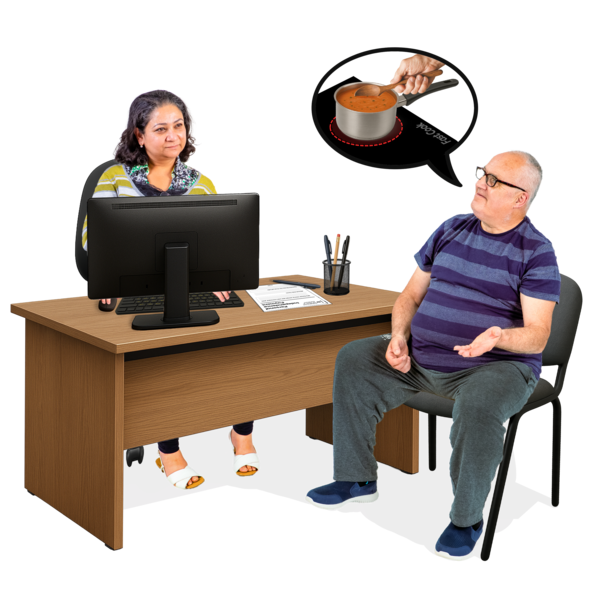
People said one reason why it doesn’t work well is because it doesn’t allow people to show how their condition effects their life.
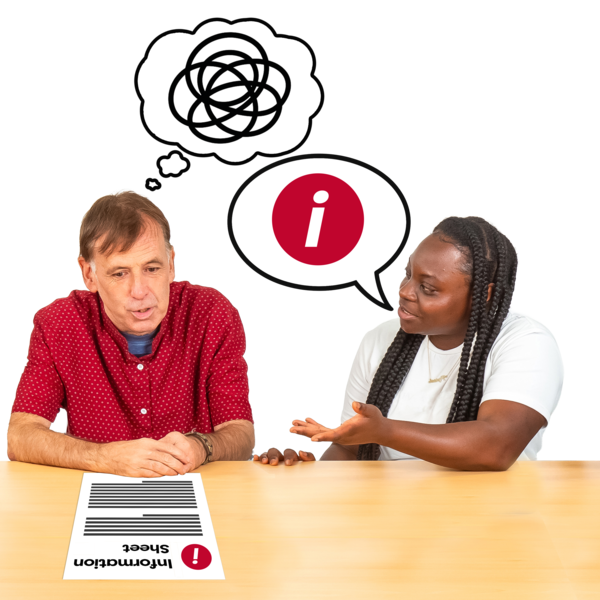
For example, some people have conditions that mean they can do things some days and not others, so it is not useful to assess whether someone is able to do something on just one day.

Some members of Learning Disability England said they felt viewed as lying about the support they need if they were having a good day on the assessment day.

Something else I heard from the report and from members at Learning Disability England was how upsetting it was to keep being reviewed for a condition that is lifelong, so will not change.

When we spoke to members, they said that overall asking for and being assessed for PIP is difficult, stressful and traumatic.

People also told Learning Disability England and the review, that the application and the appeal process could be very difficult without support.

I know this from my own experience – if I didn’t have the people around me that I did to help me through my appeal, I wouldn’t have got my PIP back.

One of the things that members, and myself, would like to see is more support for people going through an assessment or an appeal.

Although it is difficult to hear about what people have been through, it is good that the government are hearing lots the same things.
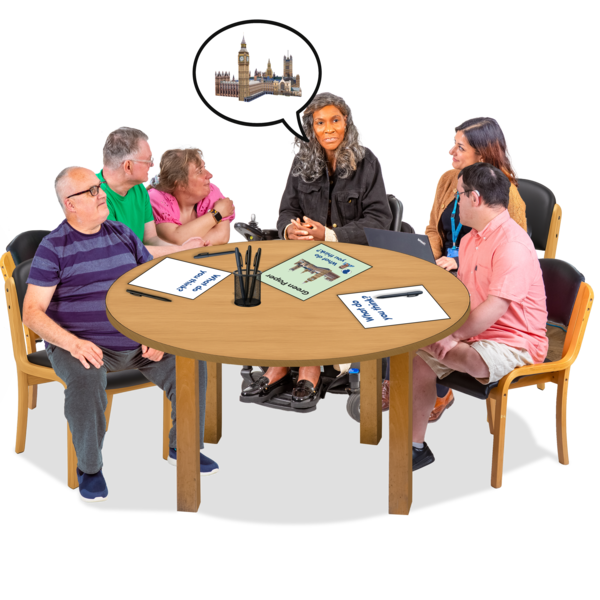
As hopefully they will listen and make the changes that people need to live good lives. This is what people want and deserve.
I know how hard getting and keeping your PIP can be, and I hope this review leads to changes that mean other people do not have to go through the same experiences in the future.