
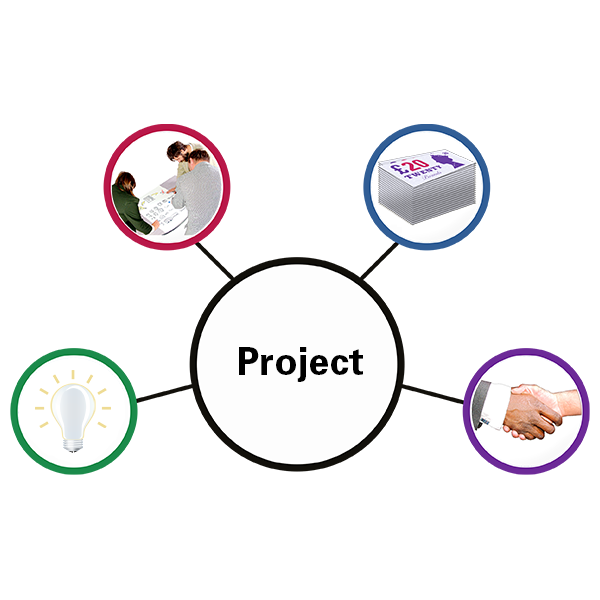
Learning Disability England is excited to share that we are working with The Open University on a new project looking at how data can be used to track change in the lives of people with learning disabilities.
This blog will share what the project will do and why the work is important.
Why we want to do this work
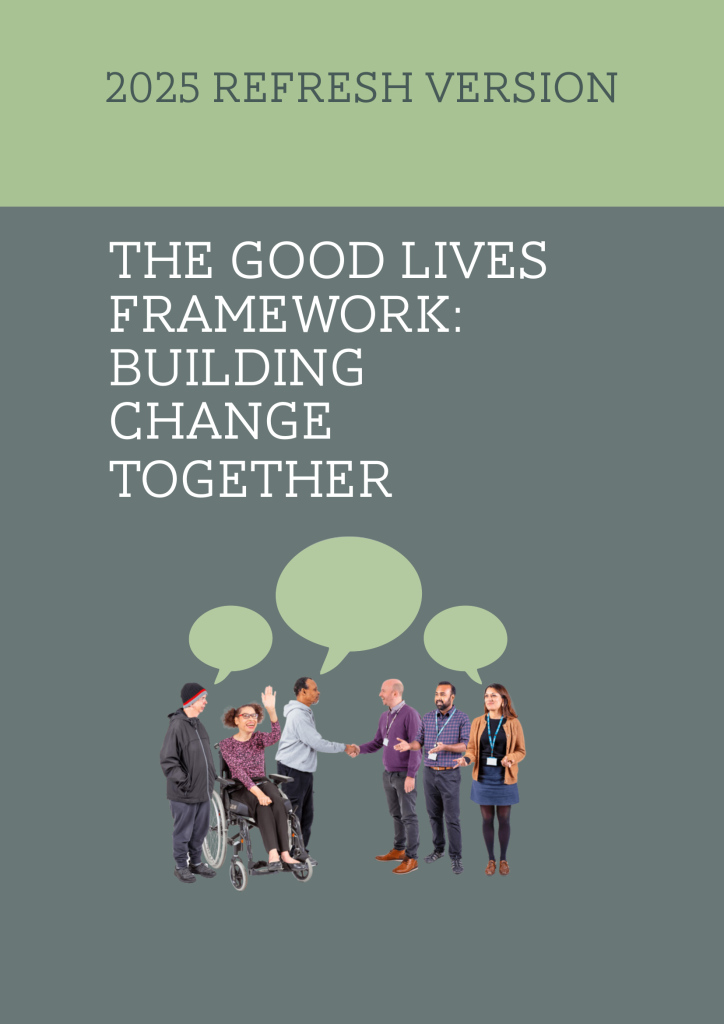
The Good Lives Framework sets out what is needed for everyone with learning disabilities to be able to live a good life.
The framework covers 7 themes including health, relationships and work.
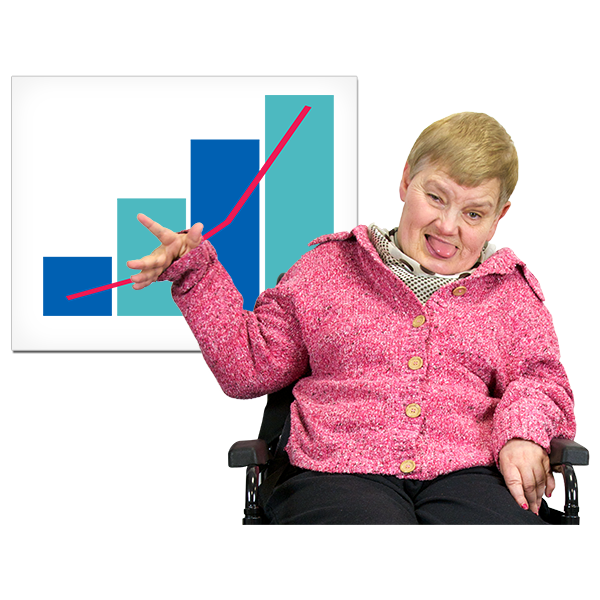
Learning Disability England members said that they wanted to be able to check if there is progress towards good lives for people with learning disabilities.
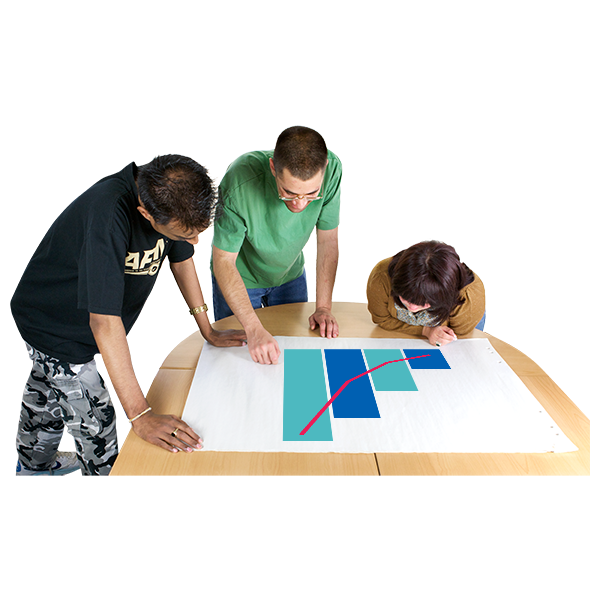
Publicly available data is information that is shared for anyone to read, use and share. For example, the statistics on the Health and Care of People with Learning Disabilities shared by NHS England.

This information can be used to see if things are getting better or where there needs to be change.
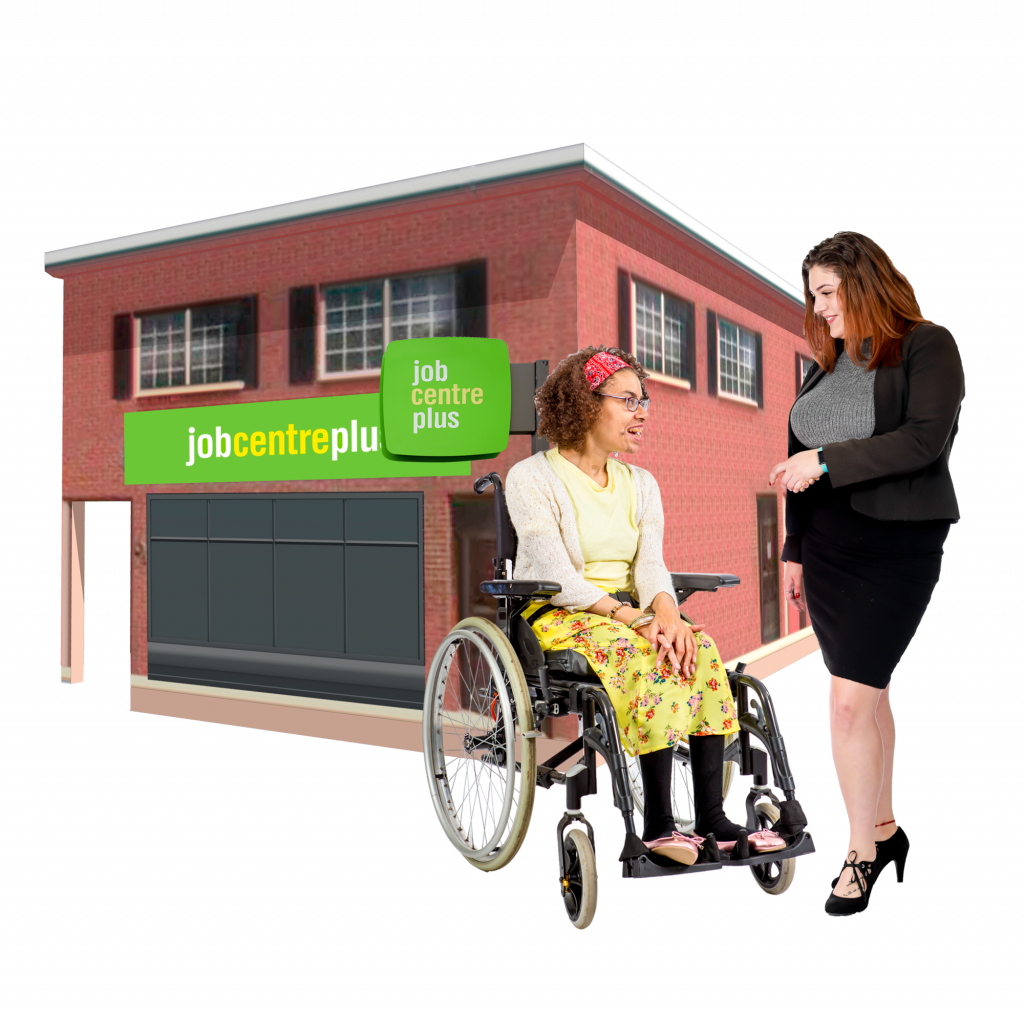
For example, if you want to find out if employment is getting better it would be good to know:
· How many people with a learning disability have a paid job?
· Is this number higher or lower than last year?
· Do the numbers show that things are getting better or worse?

Finding the good data can be hard because:
· Data is shared in lots of different places
· Where data is shared changes
· It often involves lots of steps e.g. finding and searching spreadsheets
· Data uses labels that mix people with learning disabilities in with other groups
· Information is not shared in an easy to understand way
It takes time, effort and skills to find the information you need.
This could stop people and organisations finding what they need and stop them being able to make the change they want to – like campaigning.
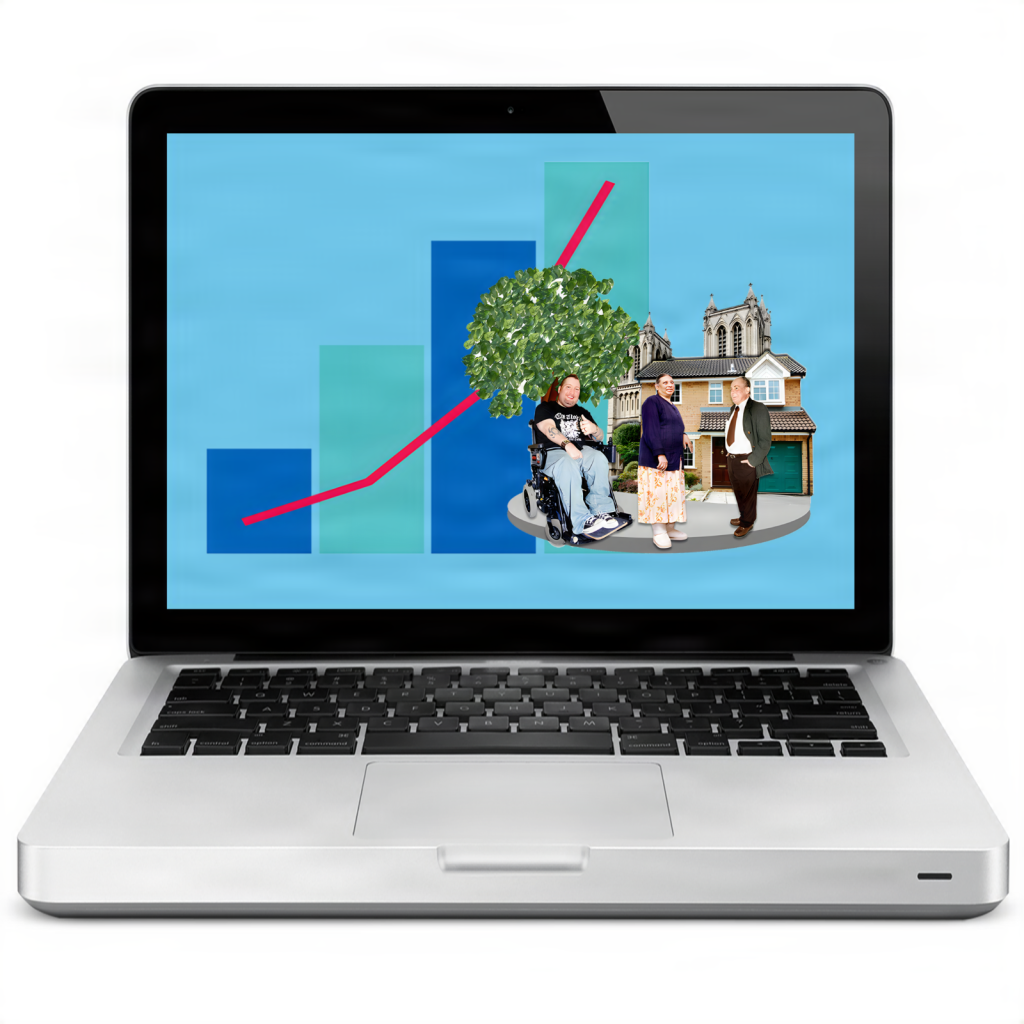
In the future we want to develop something called the ‘data dashboard’.
It will make it easier to share and use publicly available data about the lives of people with learning disabilities.
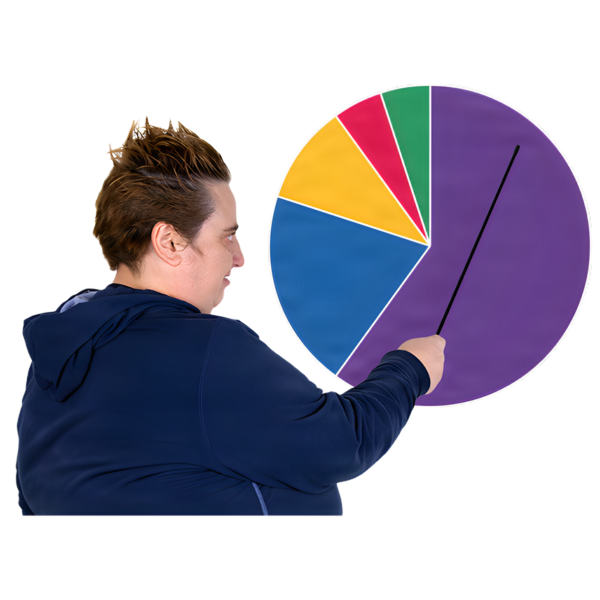
A data dashboard is a way of showing important information in one place. Data means facts and numbers.
For example, data could tell us:
· how many people used a service
· whether things are getting better or worse.
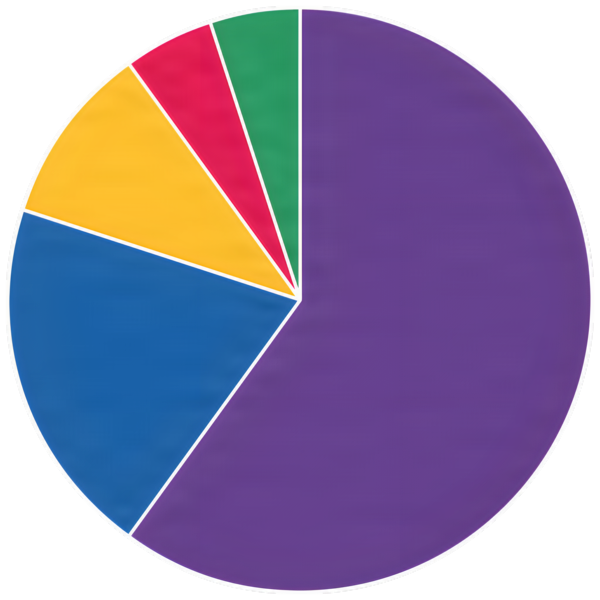
A dashboard might use:
· numbers
· pictures
· charts
· graphs
· colours
A dashboard helps people understand information quickly.
It can help people:
· see what is going well
· see where there are problems
· compare information
· decide what needs to happen next.
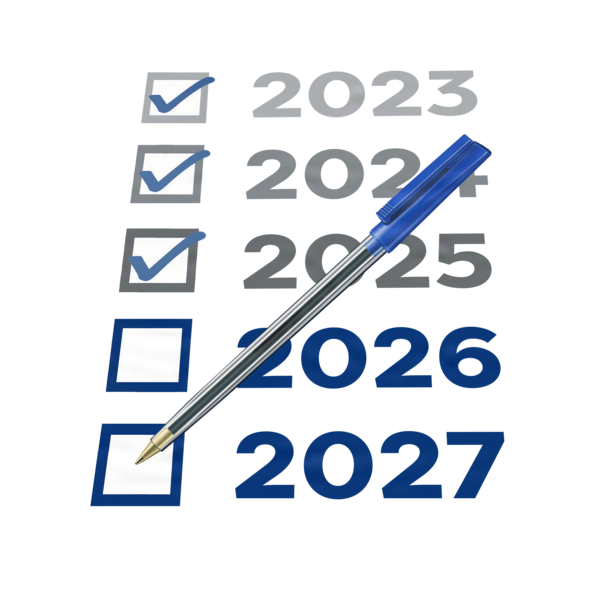
For example, you might be able to look at information from 1 year or over many years.
But first we need to find out:
· Where to find publicly available data that will help us measure progress towards good lives
· How useful the data will be for our future data dashboard
· If there are any gaps (topics where we cannot find data)
· What people who will use the tool think is important to include
· How to design a tool that is accessible for everyone
What we will do
1. Work out how we can find publicly available data in England:
· Search for publicly available data relevant to the areas of the Good Lives framework
· Record what we find
· Make a record of any gaps
· Produce an accessible summary of what we find
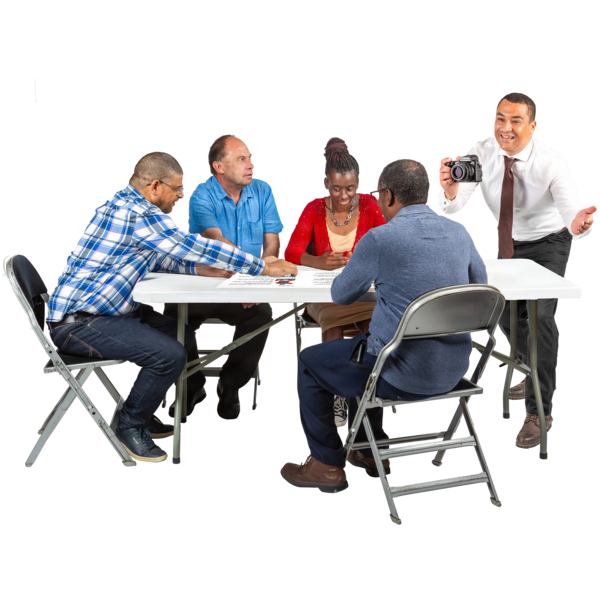
2. Co-design a data dashboard so it’s easy to use
· Hold workshops with people who might want to use the tool (people with learning disabilities, provider organisations, advocacy groups, families, health data experts)
· Agree on how to make sure the tool is accessible including to people with learning disabilities
Why this matters
We want to work with the learning disability community to develop a data dashboard because people told us it would:
· Help to make sure that policies and decisions about improving the lives of people with learning disabilities are based on accurate and up-to-date information.
· Inform the design of policies and services
· Support advocacy and campaigning by community organisations and people with lived experience
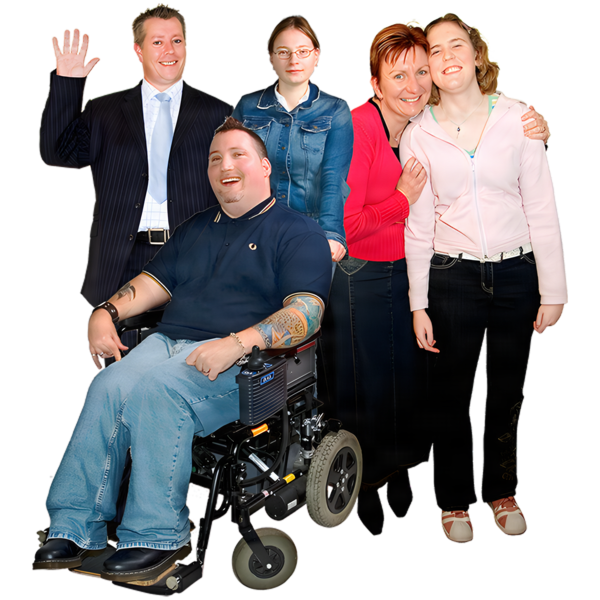
Our vision is for a society in which people with learning disabilities can live good lives, with the same freedoms and opportunities as everyone else, enjoying good health and wellbeing.

We hope that making it easier to find and use information about the lives of people with learning disabilities will be a step towards achieving this.