

In this blog, Lorna Rouse, researcher from The Open University, speaks about migraine in people with learning disabilities. She shares what she has learned and invites people to take part in a survey to help plan future research.
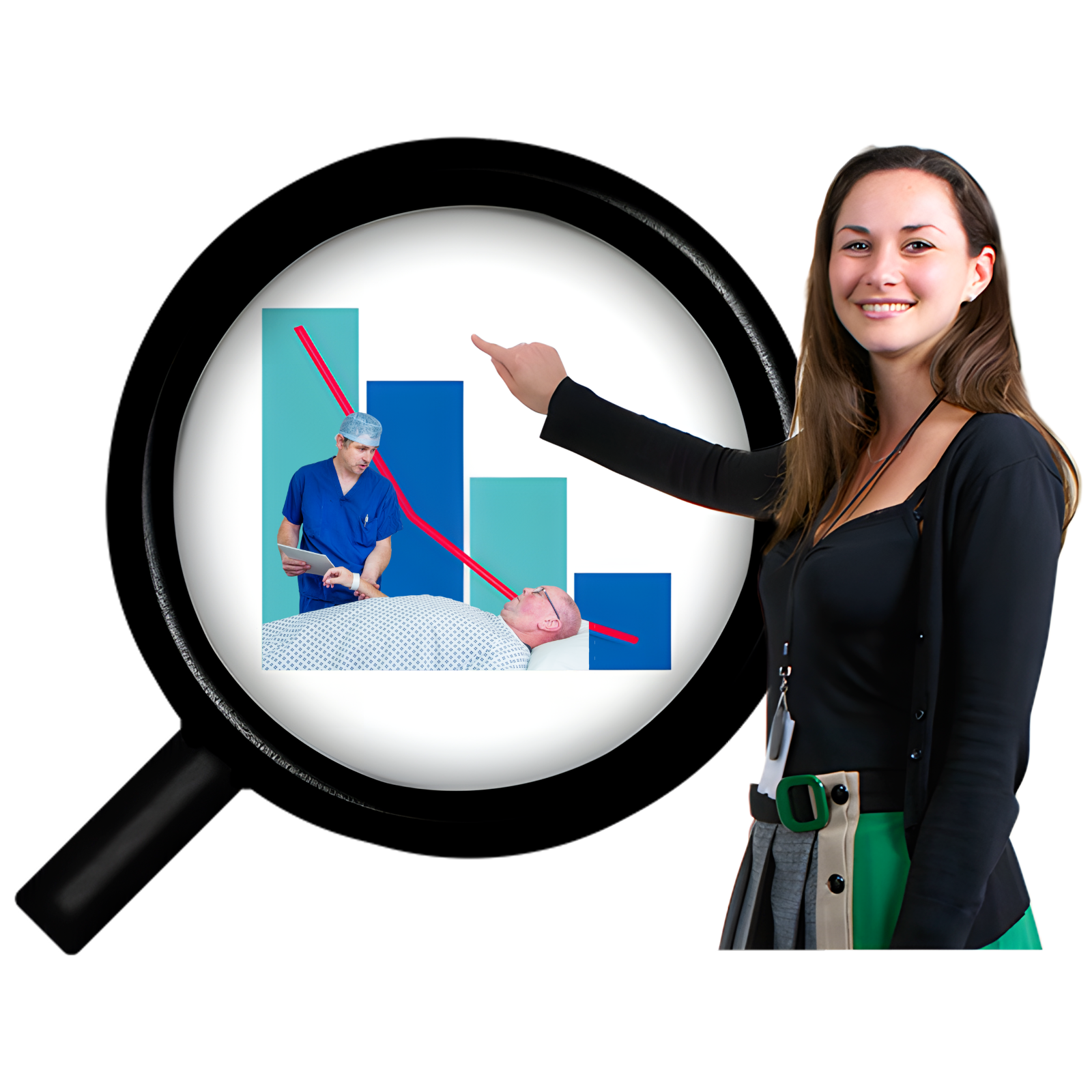
I am a researcher interested in healthcare for people with learning disabilities and I have lived with migraine since the age of 5.
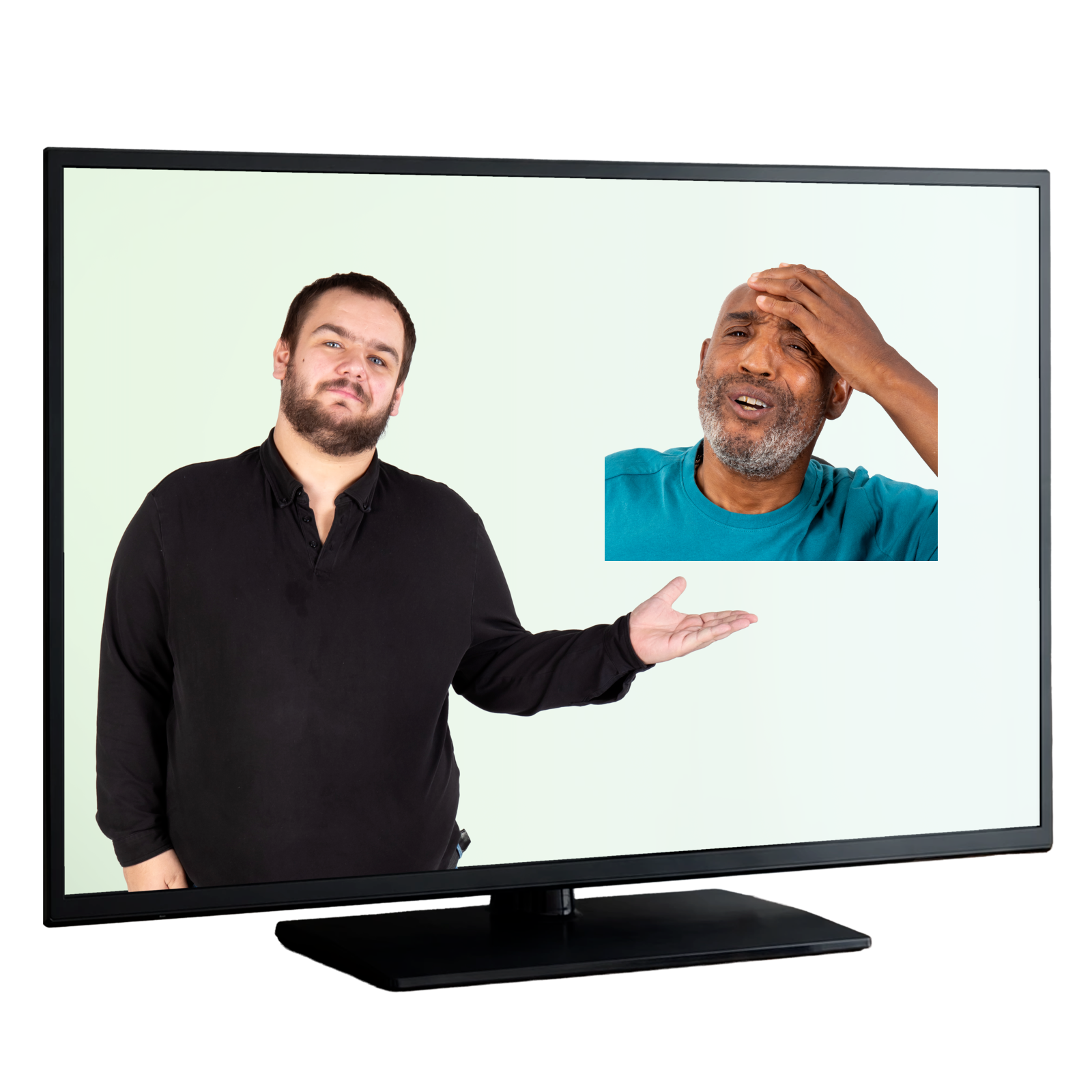
So I was intrigued to find this presentation about migraine in people with learning disabilities:
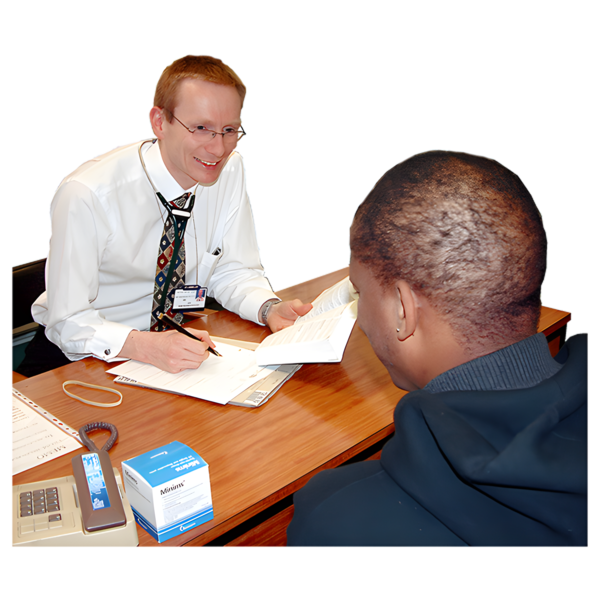
The presenter was Dr Patrick Naughton-Doe, a Specialist Doctor in Learning Disabilities based at Humber Teaching NHS Trust with a GP background.

The presentation was hosted by The Migraine Trust, a charity that supports people living with migraine.

In this blog I will share some important points from this presentation and ask for your help to plan some future research on this topic.
What is migraine?

Migraine is a neurological condition. This means it affects your nervous system.
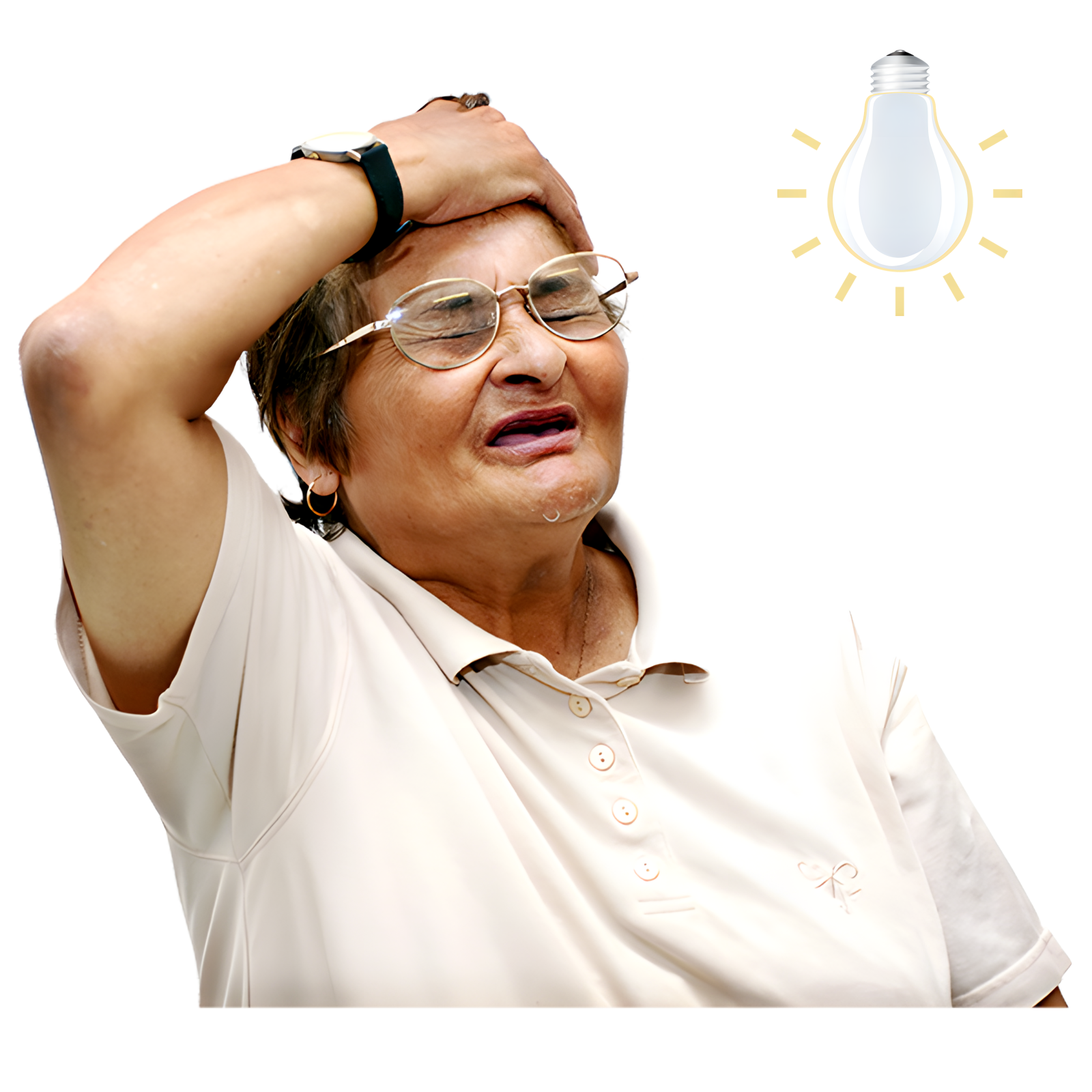
Common symptoms of migraine are:
- moderate or severe headache
- being very sensitive to light, sounds and smells
- feeling sick (nausea) and being sick (vomiting)
What I learnt from the presentation

We don’t know very much about migraine for people with learning disabilities, there has been very little research.

I was surprised to hear Dr Naughton-Doe say that in his experience, he had never met anyone with a learning disability who was receiving treatment to prevent migraine.

Doctors may be missing the signs of migraine in people with learning disabilities because:
- doctors don’t always listen to carers
- doctors do not always know how to communicate with the person
- people may have a different way of showing pain e.g. people with Profound and Multiple Learning Disabilities
- signs of migraine may be misunderstood and treated as something else

Recognising migraine in people with learning disabilities could be improved by:
- training healthcare professionals to value the knowledge that carers have of the person they support
- learning disability training for healthcare professionals
- training for healthcare professionals and carers on the early signs of migraine e.g. changes in behaviour
- people with learning disabilities receiving annual health checks
- using tools e.g. a migraine diary
What next?

Dr Naughton-Doe and The Migraine Trust said they would like to hold more events about migraine for people with learning disabilities in the future. I will be really interested to see what they do next.

Living with migraine can be miserable and it is worrying that people with learning disabilities might not be getting the treatment they need.
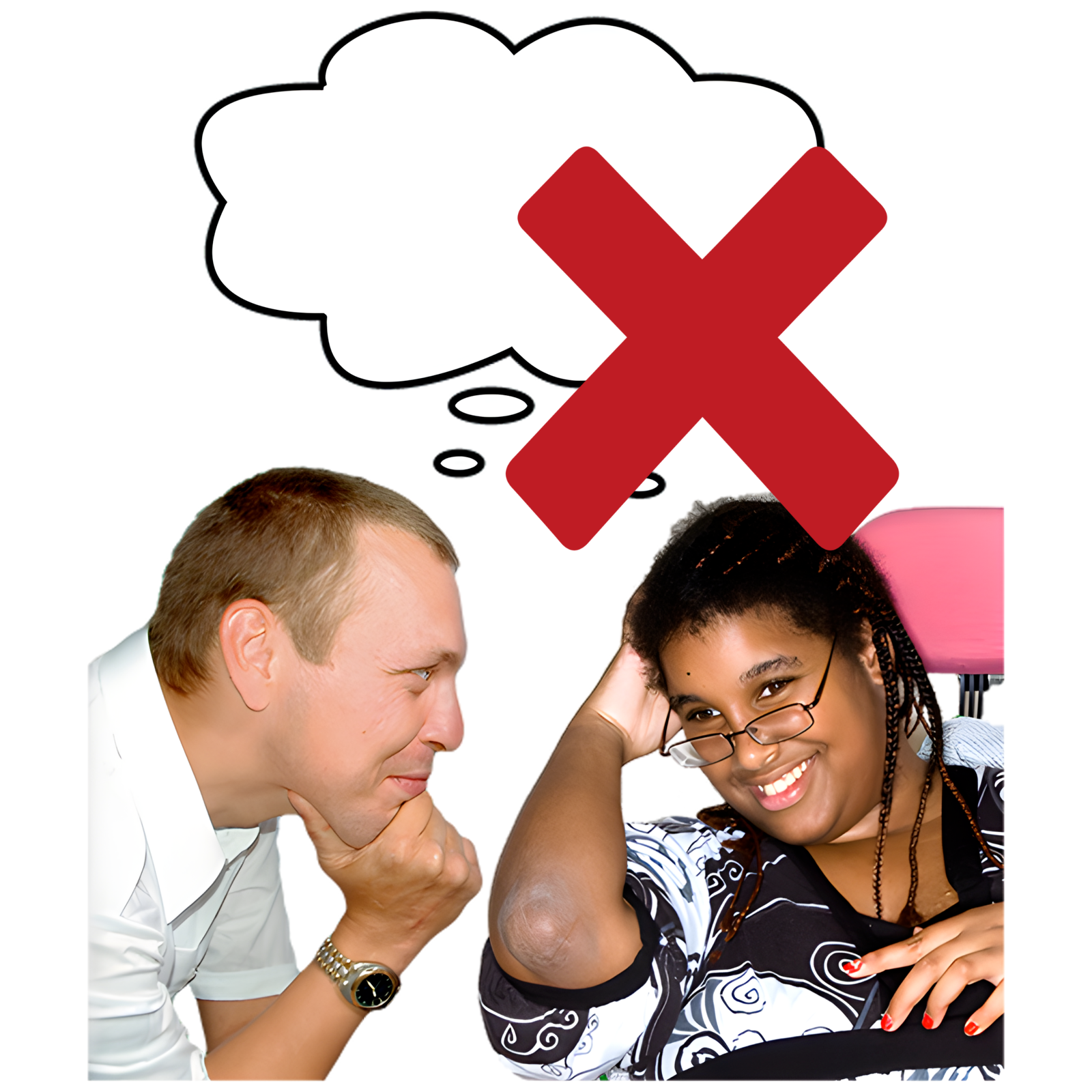
The presentation made interesting suggestions, but it is not based on research about migraine for people with learning disabilities. We do not know what people with learning disabilities and their carers think.

I would like to do some research on migraine for people with learning disabilities. I am conducting a short survey to find out whether migraine for people with learning disabilities is an important topic for research.

You can take part in this survey if:
- you are an adult (aged 18 or over) with a learning disability who has migraine or think you might have migraine.
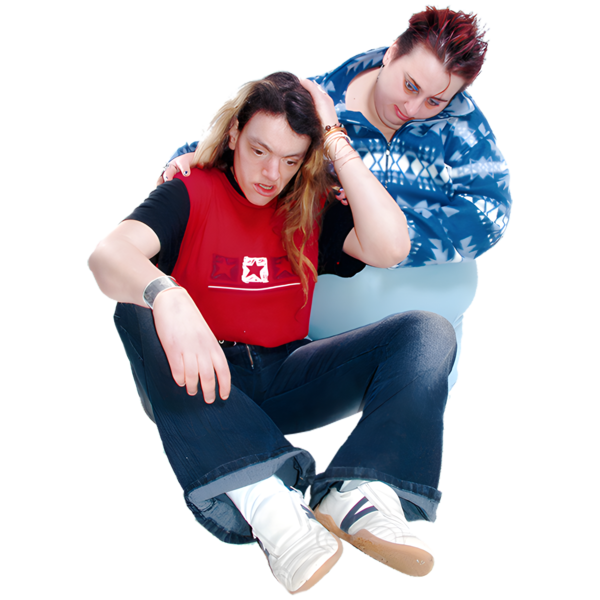
- you have experience of supporting a person/people with a learning disability with a diagnosis of migraine or suspected migraine e.g. as a family member, advocate, carer, paid supporter (provide support through work for a company or organisation).

I will use the survey responses to help me decide whether to do research about migraine for people with learning disabilities and what any future research should focus on.

For more information about the survey, click here for the information sheet.

Click here for the survey.

If you have any questions about the survey, please contact lorna.rouse1@open.ac.uk.