

Skills for Care has published its annual Pay in the Adult Social Care Sector in England report.

This report looks at how much people working in adult social care are paid. It includes information about:

This report looks at how much people working in adult social care are paid. It includes information about:
- average pay rates across the sector
- differences in pay between roles
- how pay has changed over time
- how pay in social care compares with other jobs

It is often used by government, councils and employers when making decisions about funding, workforce planning and policy.

We know that pay has a big impact on who comes to work in social care and who stays, and that when pay is low, it can be harder to recruit and keep skilled staff.
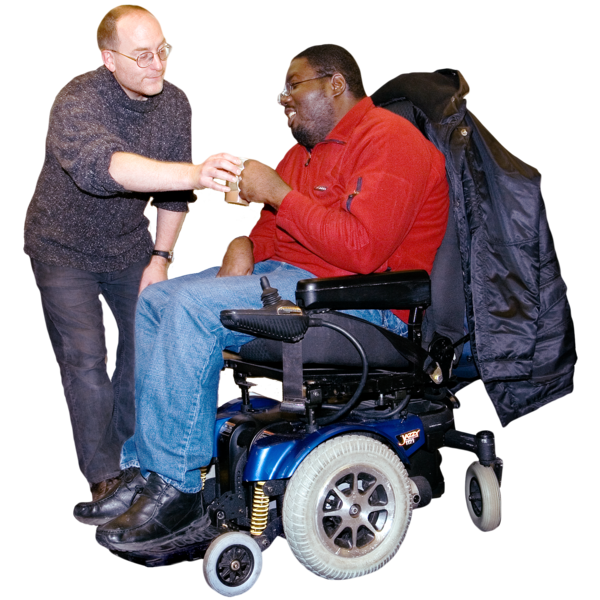
This can affect the quality of support that people receive.

Learning Disability England paid supporter member representatives have responded to the report and shared their perspective on why fair pay and well-supported staff are so important:
“People with learning disabilities want and need good lives. To make this happen, they need staff who are enthusiastic, skilled and well supported – people who can work alongside them and really get to know them.
Every member of Learning Disability England values the support workers who make a difference every day. This work is skilled and complex. It needs creativity, patience, commitment and time.
Year after year, it is becoming harder for organisations to do more than the minimum. Local authority budgets are stretched, and funding has to cover more and more.
Pay is a big part of this challenge. Organisations often have a limited budget. Increasing hourly pay for staff can mean that other improvements – like better sick pay, clear pay progression, or rewarding long-term experienced staff – are harder to provide. It can also make it harder to encourage people to take on leadership or management roles and feel properly valued.
Support workers are also being asked to take on more responsibility, including healthcare tasks that other professionals usually do. They are doing this while often being paid less and having fewer benefits than similar roles in health services. New training requirements are also increasing.
Good pay and fair working conditions matter because they help create stable, confident teams. Stable teams are essential for people with learning disabilities to live good, ambitious lives now and in the future.”