What needs to change over the next 10 years so that people with learning disabilities can lead good lives?

At the first of Learning Disability England’s Good Lives in 2036 event series, self-advocates shared the work they are already leading to improve the lives of people with learning disabilities, as well as their hopes for the future.
They called for a system that listens to people with learning disabilities, values their contributions and involves them in decisions that affect their lives.
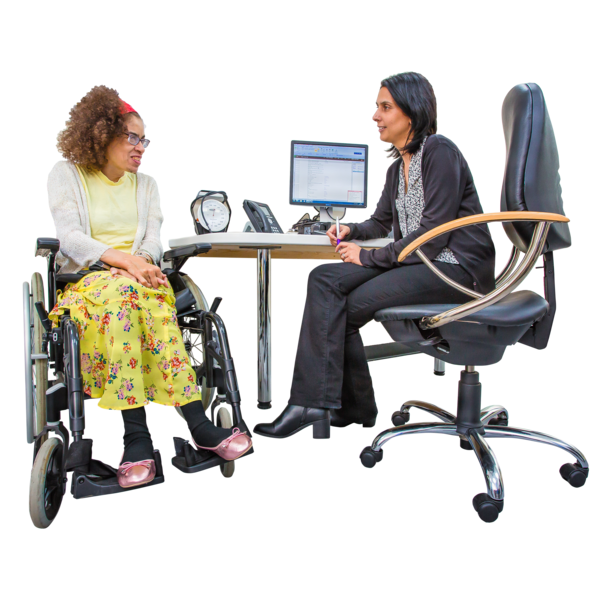
Dinesh Sattee, Self advocate with Lewisham Speaking Up spoke about campaign work he has been involved in to tackle health inequalities and how he hopes the government will prioritise the health of people with learning disabilities.

He said: “We want to show that our lives matter, and that these concerns need urgent action now.”
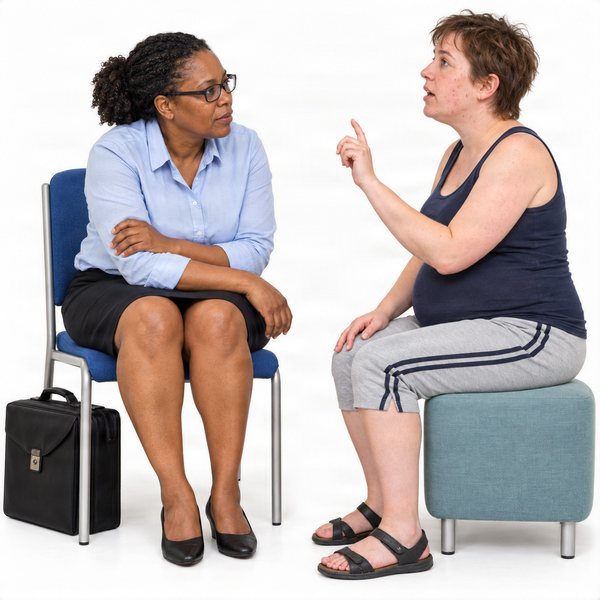
Attendees to the session later spoke about some of the changes that need to happen in healthcare, they said: “Just listen to us” and “We know our bodies.”

People felt that they weren’t being listened to by health professionals and that this could be playing a part in why too many people with learning disabilities are not living long, health lives.
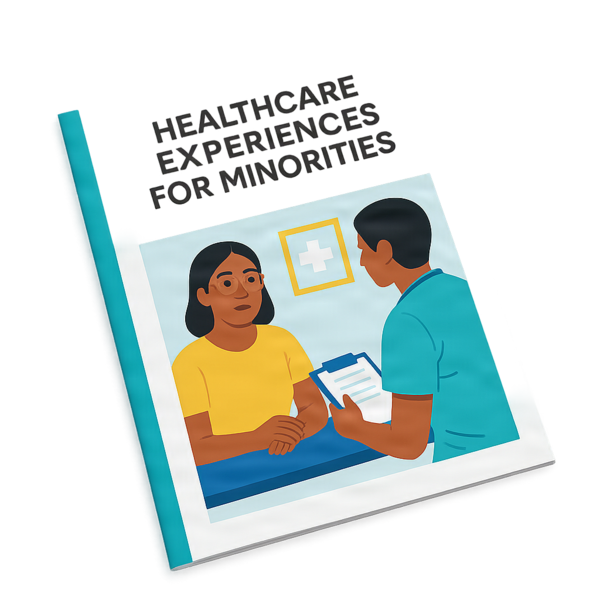
Lewisham Speaking Up shared its work to challenge racial inequalities in healthcare for Black and Asian people with learning disabilities. This included contributing to the We Deserve Better report and delivering training for NHS leaders.

Looking ahead, Marsh Stitchman said: “We want a voice at government level, a voice that includes Black and Asian self-advocates.”

Other self advocates at the session, Faisal Yusuf and Andrew Lee, spoke about the need to act now to tackle other inequalities, rather than waiting for emergencies and times of crisis.

The inquiry found that people with learning disabilities were often overlooked in planning and decision-making, and support was reduced or stopped when it was needed most.

Faisal called for better preparation for future pandemics and national emergencies, so people with learning disabilities are better able to “survive and thrive” when a crisis happens.
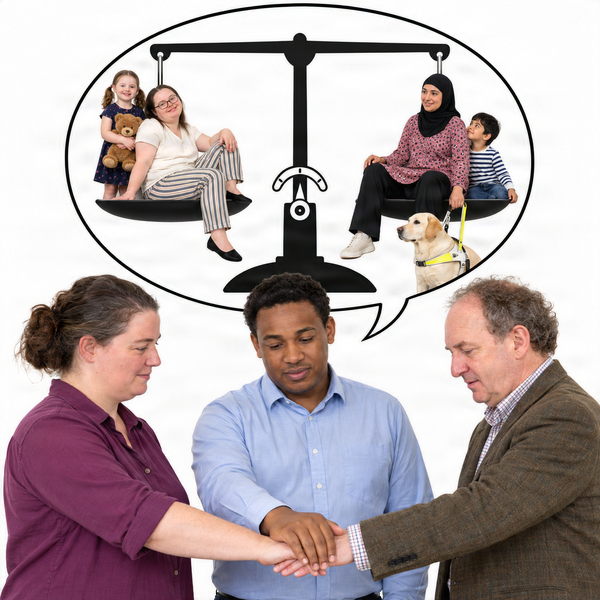
Another strong message from self advocates in the session was that people with learning disabilities must be involved from the start and as equal partners in research, policy-making and decisions about their lives.

Vicky, from Speak Up, highlighted the need for inclusive research, with the message: “No research about us without us.”

Speak Up shared how they have been working with universities, NHS researchers, charities and self-advocates to explore how research can be more inclusive.

They also spoke about their involvement in employment research, and how job carving – matching a person’s skills to tasks in a job – and reasonable adjustments can help more people with learning disabilities into work in the future.
Participants and speakers spoke about the need for stronger, sustainably funded self-advocacy groups which play a vital role in building skills, empowering people, and ensuring people can shape decisions that affect their lives.

People spoke about improving access to Easy Read information as it helps people to understand critical health, social care, and policy information and allows them to actively participate in society on equal terms.
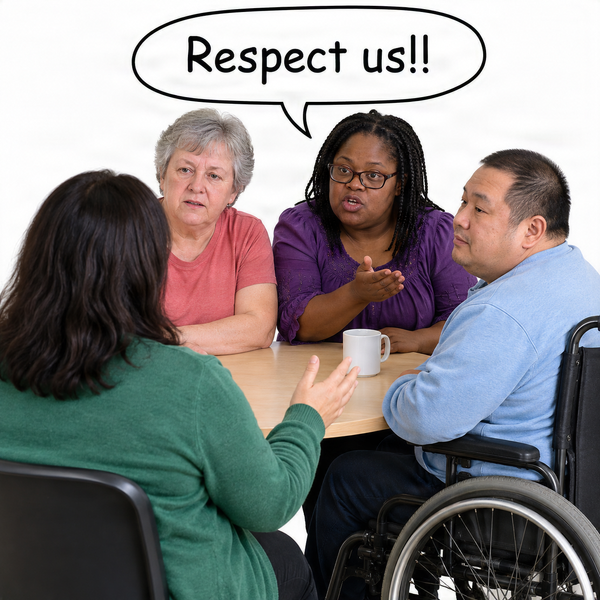
Scott Watkins hope for the future was:
“I’d like us to be taken seriously as people. I’d like us to be treated like human beings.”

The Good Lives in 2036 events are an opportunity to hear directly from people with valuable experience and expertise.

You can hear perspectives you might not usually encounter and take ideas and insights back into your work and everyday life.

What people share will help shape Learning Disability England’s priorities for the next 10 years.
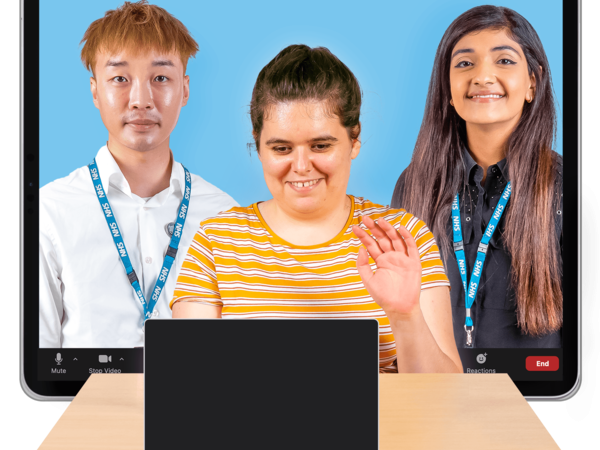
The next three sessions will bring together support workers, leaders in service providers, and people working in organisations that support or regulate public services.
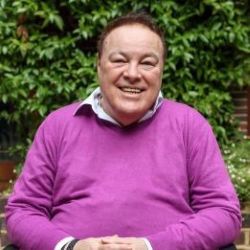
Gary Bourlet, Membership and Engagment Lead has been reflecting on the sessions so far:
“It is so important that people with learning disabilities and their families are able to use their voices in planning for their future and that system leaders and service providers get to listen to what they have to say. It was so powerful listening to self-advocates looking back at what they have achieved so far and what can happen when people with learning disabilities have opportunities to make a difference.”
Everyone is welcome to attend the events in this series (including non-members), and you can attend more than one session.