

As we approach the 15th anniversary of the BBC Panorama investigation that exposed abuse at Winterbourne View, self-advocate Steven Chapman reflects on his work challenging institutionalisation and the role peer advocacy plays in supporting people to leave long-stay hospitals.
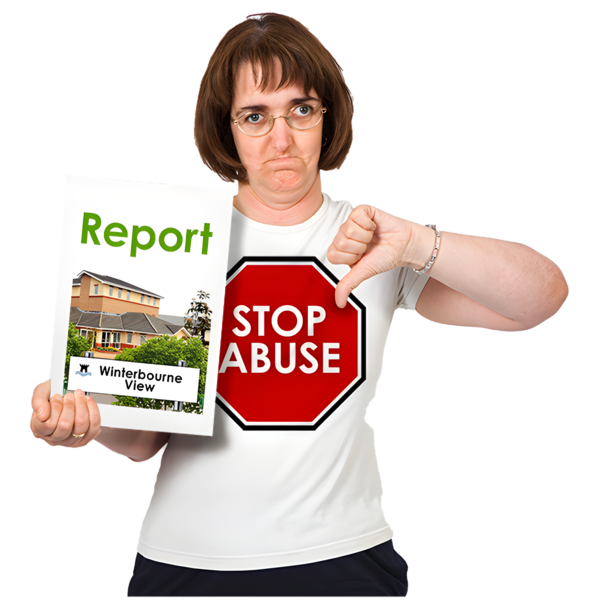
His work is just one example of the determination and leadership shown by people with learning disabilities, families and allies over the past 15 years to fight for people’s rights to live safe, good lives in their communities.

Hello, my name is Steve Chapman, and I am a self-advocate, peer advocate, Co-Chair of the Kent Learning Disability Board and Co-Chair of Bemix.

Bemix is member of Learning Disability England, and I work to try and represent members in different meetings with Inclusion International.
Read more about this work in my last blog here.

As part of this work I attend their Deinstitutionalization Working Group – this is a place where members from across the world come together to talk about and do work on closing institutions.

I recently presented to the group because I wanted to tell the world what is happening in England and share my experiences with other countries, to help them understand what works well.

I believe that people with learning disabilities should not spend years living in hospitals when they could be living happy and independent lives in their communities.

Everyone deserves a home, choices, and to be part of society.

I work through peer advocacy and lived experience leadership to help people be heard, support them to move, and improve systems so people can leave long-stay hospitals.

I spoke about how peer advocacy support became critically important when an English hospital, called Cedar House in Kent, was forced to close. It was meant to support people with learning disabilities and autism and failed inspections several times.
People living there had to move out, but many needed help to understand what was happening, what choices they had, and how to speak up about their own lives.
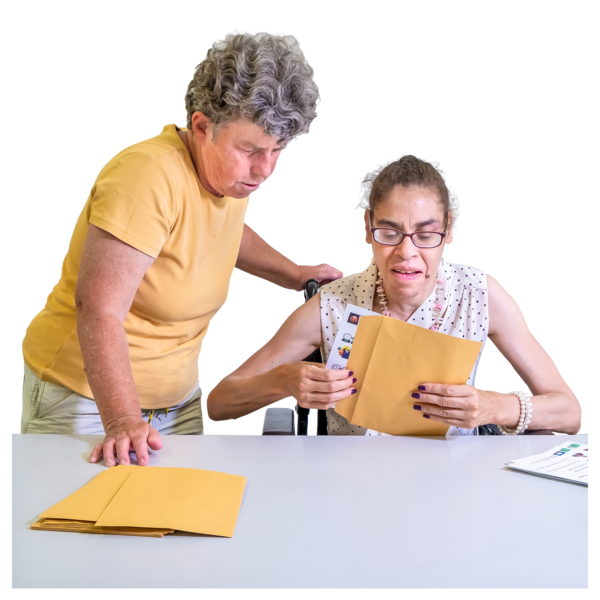
This is where peer advocacy made a difference. It helped people feel listened to and supported at a very stressful time.

Simple tools were used, like question cards and blank cards, where people could write down what mattered to them.

One-to-one sessions helped people plan for meetings and express their views in a safe way.

Peer advocates also made sure people’s concerns were shared and followed up, especially around moving into the community.

Building trust was one of the most important parts of the work. Because peer advocates often had lived experience of similar situations, people felt more comfortable opening up.

They could see that change was possible, and that helped reduce fear about moving out of hospital.

I asked the audience what support systems exist in their own countries for people leaving long-stay hospitals.
I highlighted that many people around the world are still in institutions and may not have enough support to move into the community.
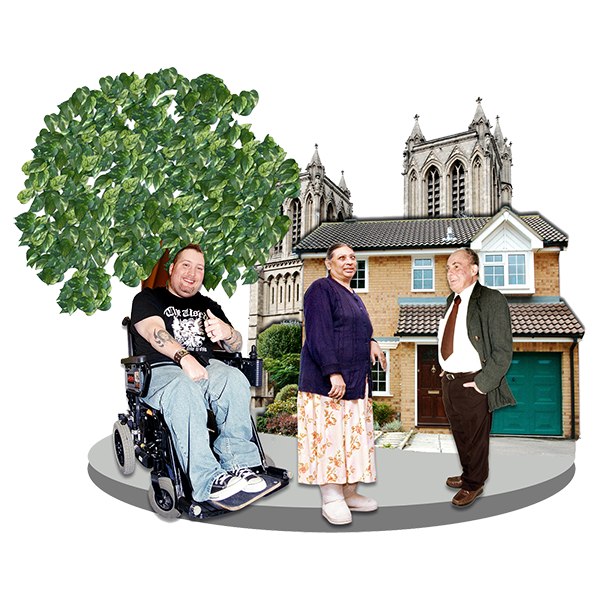
Since the closure, similar projects have supported people who have spent many years in hospitals to move back into community life.

This work continues to show what is possible when people are properly supported.
It also raises important questions for services everywhere:
- How are people supported to leave long-stay hospitals in your country or region?
- Are regular Care and Treatment Reviews being used to plan moves into the community?
- Are peer advocates with lived experience involved to make sure people’s voices are heard?

Peer advocacy is about making sure people are not just heard, but listened to and supported to make real choices about their own lives.