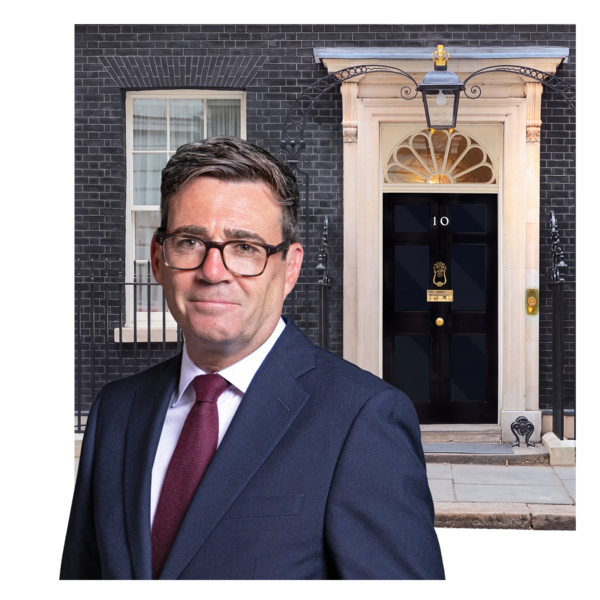
This week, the Prime Minister made a speech about changing social care.
He said he wants to lead changes to make social care work better for people.
At Learning Disability England, we are hopeful about these plans. It is good to see the Prime Minister and the government making social care a priority.
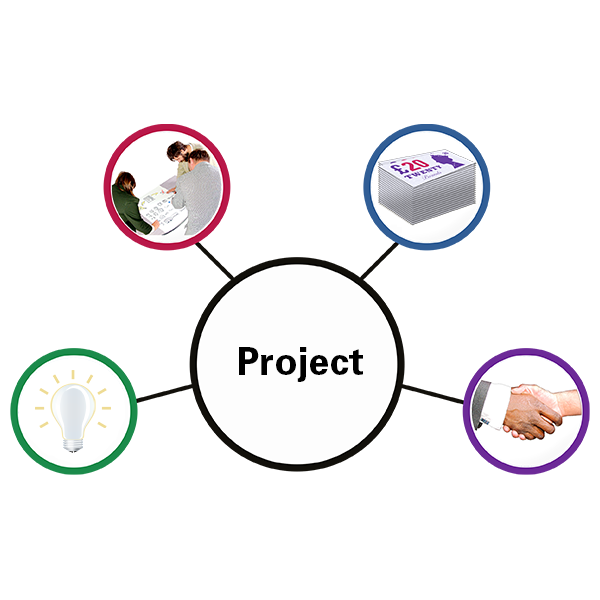
Learning Disability England is excited to share that we are working with The Open University on a new project looking at how data can be used to track change in the lives of people with learning disabilities.
This blog will share what the project will do and why the work is important.
This blog introduces a new Learning Disability England project, funded by Macmillan Cancer Support, looking at how cancer care can be improved for people with learning disabilities from Black, Asian and minoritised ethnic communities.
Hello, my name is Kumudu and I am a self-advocate on the Rep Body at Learning Disability England.
Hi, my name is Annabelle and I have just joined the staff team at Learning Disability England as a Project Coordinator.
The Prime Minister Andy Burnham and Baroness Casey spoke last week about their commitment to social care and “fixing the system” so that it gives people dignity, security, and support when they need it most. That it is not a problem too big to solve.
As the Co-Chairs of Learning Disability England’s representative body, we too believe there is never a problem too big to solve. What can get in the way is a lack of will or resilience to come together and stay the course when something feels difficult or someone else’s problem.
How to get social care right so that people are able to live good lives is not someone else’s problem. It is not about someone else. It is about all of us.
In this blog Paula Strike, Family and Friends Member Representative at Learning Disability England, reflects on the AI and the Future of Social Work One Day Summit – and invites members to share their own views.
In May, I was pleased to represent Learning Disability England at the Skills for Care ‘AI and the Future of Social Work Summit’. I’ve been following this topic for about a year now. It’s a fast‑moving area, and the more I learn, the more important it feels to make sure people with learning disabilities, autistic people and families are fully involved in shaping what happens next.
Over the past year, I’ve heard a wide range of views from LDE members, families across Essex, and people in the Eastern Region. These conversations have stayed with me, and they guided the questions I took with me to the conference.
Gary Bourlet, Membership and Engagement Lead – “When people get the right care and treatment they live happier, longer, healthier lives. People need to work together to create a national strategy and then we need to hold people accountable for making the action happen.”
Learning Disability England members are worried that ending the national LeDeR reports could make people with learning disabilities and autistic people’s lives and deaths even easier to ignore and harder to learn from.
While the Government has announced a new patient-level dataset, it is not clear how this information will be used to effectively identify every person who has a learning disability and drive improvement. As well as how progress will be measured, and importantly, who will be accountable for acting on what it shows.
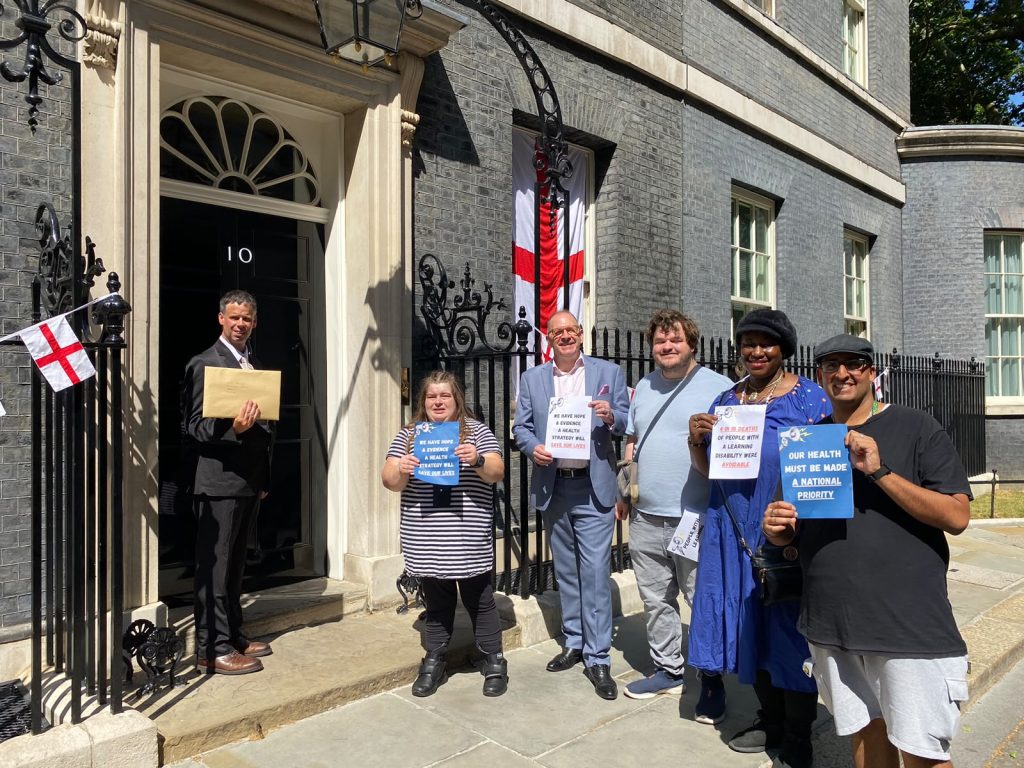
Data alone will not reduce health inequalities. It must lead to action. That is why Learning Disability England members continue to call for a dedicated national health strategy for people with learning disabilities, as set out in their open letter signed by over 1, 700 people with learning disabilities, families, organisations and allies.
In addition, Learning Disability England supports Inquest’s campaign for a National Oversight Mechanism to ensure the life saving recommendations that are made following inquests and inquiries are acted on and further deaths are prevented. There is currently no system in place to make sure changes are made.
People and families want to see clear accountability for turning learning into action, with named organisations responsible for making improvements. We see no meaningful accountability from the 2024 report, which like previous reports found serious inequalities between health outcomes for people with a learning disability compared to people without a learning disability, and no mention of how it will happen going forward using the dataset.
Mary Woodall, Self advocate Member Representative – “People with learning disabilities need to be involved in decision making going forward – a coproduced plan that listens to people.”
We will continue to try and find out more detail and share with members.
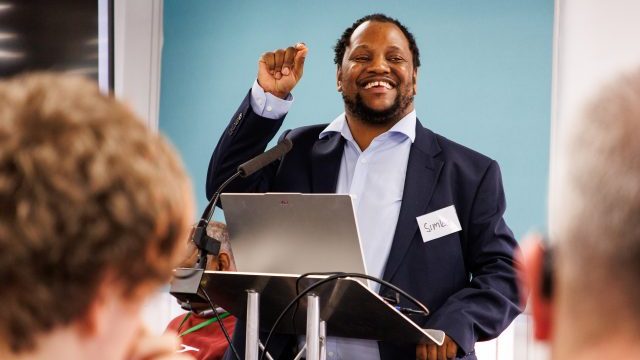
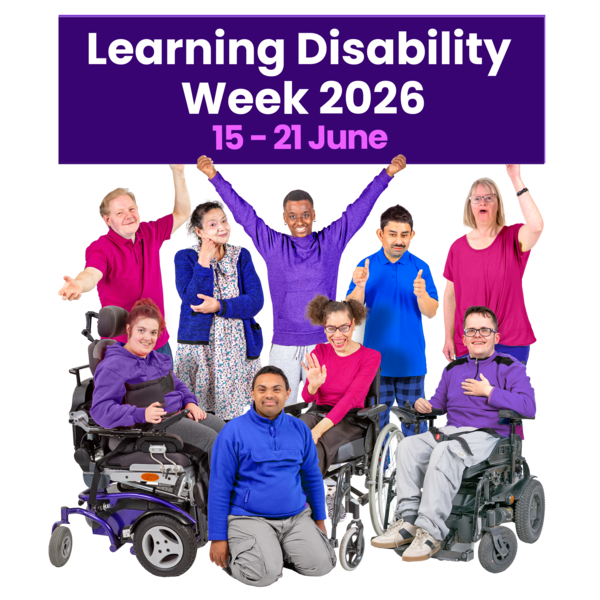
In this blog, Simba Ngwarati,Percussianist with the CityLits Orchestra, shares how music helps him tell stories, express his feelings and connect with others. He also reflects on this year’s Learning Disability Week theme, Do You See Me?, and explains why it is important for people with learning disabilities to be able to explore their talents and have their voices heard.
My name is Simba, I grew up in Zimbabwe and I moved to the UK in 2007.
For me, I grew up listening to reggae music early in life as my mum used to play it a lot, and that’s how my love for music started.