Coming out of lockdown

This week we have seen the first steps being taken by the government to start easing off the lockdown restrictions.
Read the government’s easy read coming out of lockdown here
Stronger, Louder, Together!
This week we have seen the first steps being taken by the government to start easing off the lockdown restrictions.
Read the government’s easy read coming out of lockdown here
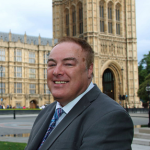
Blog by Gary Bourlet, Membership and Engagement Lead and self advocate
A new Centre called the IMPACT (Improving Adult Care Together) Centre has been launched today.

What is life really like for people with learning disabilities during the pandemic?

NHS England and NHS Improvement has published a new LeDeR Policy this week.
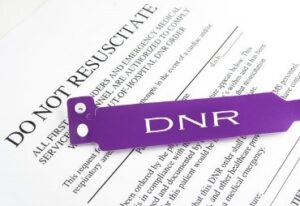
We know that for people with learning disabilities, there is lots of bad practice around DNR decisions.

Since the outbreak of Covid-19 we have worried this might have got worse.
This is our latest update on DNR decisions.
It talks about what we know is happening and what can be done to challenge bad decisions.

A Do Not Attempt Cardio Pulmonary Resuscitation order is a medical document.
They are sometimes called DNACPR or DNAR or DNR.
DNACPR is the official name. On this page we are going to call it DNR because its more accessible.

It means that if someone’s heart stops working doctors will not try to restart it.

Doctors should only put a DNR order on someone’s file if they believe someone is dying and there is no chance they will get better.
If doctors do not think restarting someone’s heart will help them get better, they will create a DNR order.
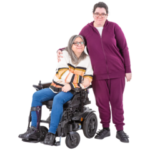
You and your family should be included in decisions about this.

No one should have a DNR put on their file just because they have a learning disability.

In July the LeDeR report for 2019 came out.
The LeDeR report looks at all the people who have a learning disability who have died in the last year.

It is to help us think about why people have died and how we can stop preventable deaths.
Of the deaths looked at in the report, 16% had a DNR decision that did not follow the proper guidelines.
The report confirms that illegal DNR decisions happened in 2019.
Because we know things were going wrong with DNRs in 2019 we have been worried that it might have got worse because of coronavirus.

In April we asked members if they had seen any changes in how many people were given DNRs.

18 organisations had seen DNRs placed in people’s medical records without consultation in March and April.

About 66% of the organisations replying did not report an increase in DNRs in 2020 for the people they support.

We asked members again over May and June if they had seen any changes.
Less members told us what they were seeing in this survey.


We asked people to think about the kinds of DNR decisions they saw last year and the kinds they saw this year.
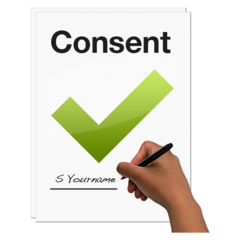
We asked, have you seen people or their families having an informed choice about having a DNR notice in place?
This means that people were included in making the decision and understood what was happening.

3 organisations saw less people in this situation than last year

3 saw similar numbers to last year

6 saw more people in this situation than last year
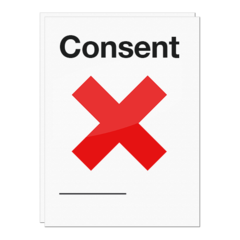
We asked, have you seen any blanket DNR decisions being made without the person or their family’s being involved?
A blanket DNR decision means that a doctor has made the decision because someone has a disability and not because they need a DNR.

2 organisations saw less people in this situation than last year
6 saw similar numbers to last year

4 saw more people in this situation than last year

The NHS has said no blanket decisions should be made.
We are worried that 10 organisations have seen blanket decisions happen.

We asked, have you seen any DNR orders on people’s medical records where they and their families didn’t know about it?
2 organisations saw less people in this situation than last year
5 saw similar numbers to last year
5 saw more people in this situation than last year

We are glad that some organisations have seen DNRs being used properly and less bad practice.
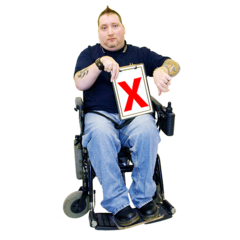
We are worried that some organisations have still seen blanket decisions being made or decisions made without people being involved.

It is important that we understand our rights around DNR decisions so we can make that they are lawful.
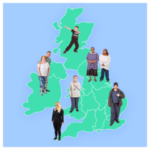
We know this survey doesn’t tell us everything that’s happening.

It does tell us that some people were seeing bad practice last year and that it is still happening now.

We have helped make a guide, so people know their rights and how to challenge bad decisions.
We wanted to make sure people know their rights and can challenge doctors if DNRs are put in place when they shouldn’t be.

We have made this guide in partnership with Turning Point.
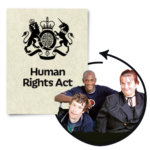
The guide has

Here is an easy read about rights.

Here is an easy read about the questions you can ask to challenge
We have two versions of the full pack.

There is a interactive digital of the pack which you can view here.
This version helps you identify your issue and takes you to the right template.

There is also a printable version. You can view it here.

You can download this report by clicking here
At learning Disability England, we want to work with all our members to get their voices heard and to tell people what is important to them.
This page tells you about being a spokesperson. You can sign up at the bottom.
What is a spokesperson?
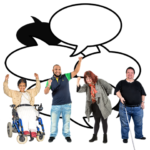
A spokesperson is someone who speaks out about different issues. They do this to help make changes happen.
We want self-advocates, families and staff from organisational members to be spokespeople for LDE.
We know our members have lots of skills, knowledge and experience. We want to make sure you can have your voices heard on topics you are passionate about.
What kind of things will I be asked to do?
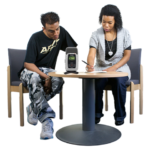
There will be different ways to speak up. Some people will want to speak out in lots of places. Some people will want to just speak out in one way.
We need people who can tell us what they think for our news updates. We need people who can go to meetings. We need people who want to talk to journalists.
You can tell us the types of things you would like to do and the things you don’t want to do.
Do people have to know people my name?

A spokesperson is someone who speaks out about different issues. They do this to help make changes happen.
We want self-advocates, families and staff from organisational members to be spokespeople for LDE.
We know our members have lots of skills, knowledge and experience. We want to make sure you can have your voices heard on topics you are passionate about.
What kinds of things can I talk about?


We want to know what our members know. Please tell us what you know about. This might be things like;
Funding
Housing
Health Care
Assessment and Treatment Units (ATUs)
How will it work?

When we need a spokesperson, we will look at our list and see who’s interests match the work.
We will contact you to ask if you are interested in taking part. You don’t have to be involved in everything, only the things you want to or when you have time.
Your personal information will only be shared outside of Learning Disability England with your permission.
I might need some support?

We would be happy to support you be a spokesperson. We might support you to plan and write what you think. We might help you to claim expenses for attending meetings.
You can tell us what kind of support you would like when you sign up.
How do I sign up?

A spokesperson is someone who speaks out about different issues. They do this If you are interested, click here to sign up.
If you have any questions, please contact:
If you would like some support to sign up, you can ring Rachael on 07490983412
If you would like to download the information document click here

Learning Disability England has joined voices with over 70 other disabled people’s organisations and allies in an Open Letter supporting a Statement about the rights of disabled people during Covid 19.
We are all concerned about recent media coverage and letters from GPs about DNAR.
You can read the response from Professor Stephen Powis, National Medical Director, NHS England and NHS Improvement and Ruth May, Chief Nursing Officer, NHS England and NHS Improvement to the Open Letter.
Baroness Campbell replied to this response. You can read Baroness Campbell’s reply here.
The Chair of the United Nations Committee on the Rights of Persons with Disabilities also issued a joint statement on persons with disabilities and Covid-19.
As a result of this lobbying, the Care Quality Commission, the Royal College of General Practitioners, the British Medical Association and the Care Providers Association issued a joint statement on advance care planning.
They said “it is unacceptable for advance care plans, with or without DNAR form completion, to be applied to groups of people of any description”.
VoiceAbility have created a template letter to raise concerns about restrictions on care where someone has received a DNAR letter from their GP or other professional.
The template can be changed to add your personal details.
We carried out a ‘snapshot’ survey at the end of April to find out the experiences of our members and DNAR during the pandemic. Read the Full Report and Easy Read here
Read the Case Studies some of our members gave us as part of the survey.
Watch a video here from Dudley Voices on Questions we all want to know the answers to when thinking about DNAR’s.
Learn more about your human rights in The British Institute of Human Rights hub here.
88 organisations filled in a snap shot survey in late April. They told us about Do Not Attempt Resuscitation (DNAR) decisions during coronavirus for the people they support.
The survey found that approximately two thirds of the organisations replying did not report an increase in DNARs in 2020 for the people they support.
But some organisations said DNAR decisions had been made either on groups of people or on individuals without consultation with them, their loved ones or the people who support them. This was not in accordance with guidance and best practice, and in some cases could be illegal.
Despite the letter from senior NHS leaders to all NHS organisations saying clearly that blanket use of DNARs are unacceptable and the statements from the Royal Colleges, regulator and sector bodies repeating this, 13 member organisations reported that they had seen an increase in blanket DNARs in March and April.
Some DNAR decisions had been made without a person or their supporters being involved.
8 organisations had seen DNARs placed in people’s records without consultation in March, and despite the publicity and clear guidance, 10 reported this happening in April.
The Representative Body Co Chairs Wendy, Scott and Jordan said
“Decisions on people’s treatment being made based on them having a learning disability are never OK – even one is too many. We are pleased to hear there are examples of people and their supporters being positively involved but we want to see all lives valued and people not fearful of others writing them off”
Organisations had been able to help people get bad DNAR decisions changed.
We are clear that DNAR decisions can be the right thing for some people or situations. We do not want people to be afraid of thinking and talking about advance care planning and DNAR, or of making the choice that is right for them.
Learning Disability England is now working with some members on additional resources that can support people to challenge poor processes or unlawful use of DNARs.
#WeMustAllBeVigilant

During 2020 and 2021, researchers from 12 universities joined together to do a study on how the coronavirus pandemic has changed the lives of people with learning disabilities in the UK.

There have been lots of studies done on the pandemic.
But not many that people with learning disabilities can easily be involved in.
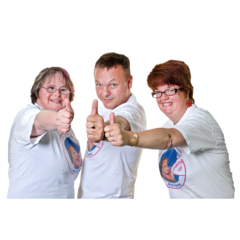
This research heard from people with learning disabilities about their own experiences.
And the research team was helped by an Advisory Group of people with learning disabilities.
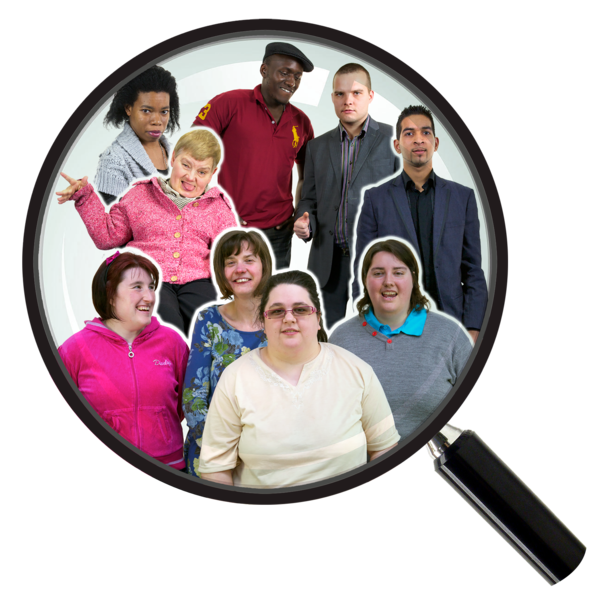
The research findings have given some really important information about how people with learning disabilities have been affected by the pandemic.
The plan was always that the information that the researchers found out would then be shared with people who can help to make positive changes.
So the research team has worked with people with lived experience to create a Policy Brief for England about the findings.

The Policy Brief highlights the findings people with learning disabilities and family members in England have said are the most important for policy and practice.

People with learning disabilities have also worked with family members, self advocacy groups, paid supporters and partners to make a series of videos with their thoughts about the policy briefs and what they have told us.
You can watch the videos here:
Members from Speak Up explain what the research was about.
And talk about some of the things the research told us about employment and family carers.
Members of Pathways Associates talk about getting good information.
What the research found from people with learning disabilities themselves.
And how this compared to their experiences.

NWTDT / Pathways also held a conference about the research findings last December.
It was called Leave No One Behind.
You can listen to voice recordings of the sessions here:
Leave No One Behind – research findings
Leave No One Behind – people who feel they have been forgotten
Leave No One Behind – people who are still ‘shielding’

Self advocates from Connect in the Northlooked at mental and emotional wellbeing.
And talked about the impact on people’s mental health.
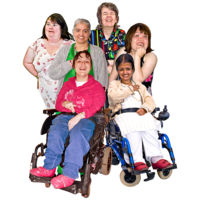
Cohort 2 of the research looked at the experiences of people with higher level support needs.
Vicki and Christian share their thoughts about the impact on them and others with greater support needs.
Watch Vicki and Christian’s video here
And Sarah Walker talks about the impact on her brother and their family.
Members of the Gr8 Support Movement talked together about their experiences as support staff.
And the impact on health and health services.
Watch support workers in the Gr8 Support Movement talk about the research here
The members also talked about the recommendations in the briefing.
Watch the people from the Gr8 Support Movement talk about the recommendations here
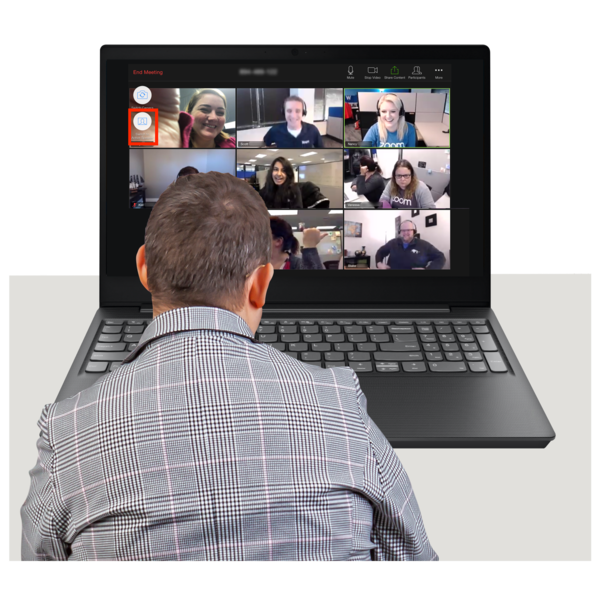
Learning Disability England held a free members webinar about the research findings and the policy brief.
It was called UK Covid Research: What have we learnt?
Not yet a member?
Why not join today and get involved with other members working for change.
If you have any questions about the research, please contact the Learning Disability England staff team by email on info@LDEngland.org.uk.
Or phone 0300 111 0444.