Health & Social Care Select Committee Inquiry: Evidence from people with lived experience

Guest blog by Ivan Olbrechts, Representative Body family and friends member
Stronger, Louder, Together!
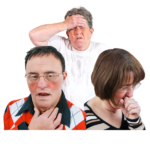

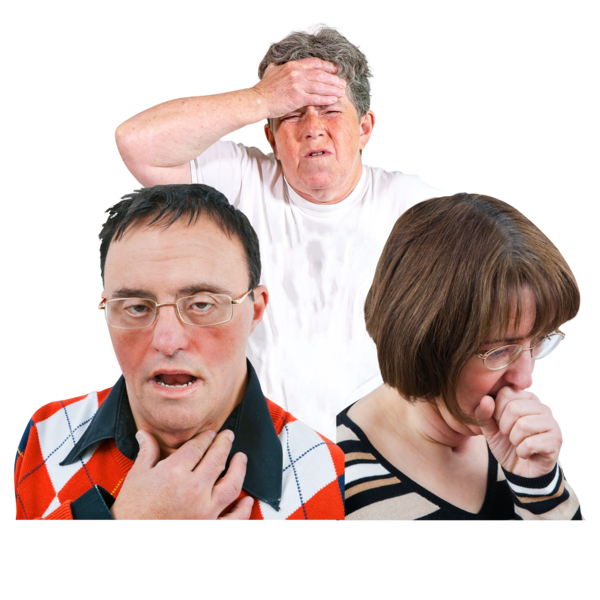
The government says that people who think they might have the virus or have some of the symptoms need to stay at home for 7 days.
Anyone who has been in close contact with a person who tests positive for Coronavirus needs to stay at home for 14 days.
This is called self-isolation.
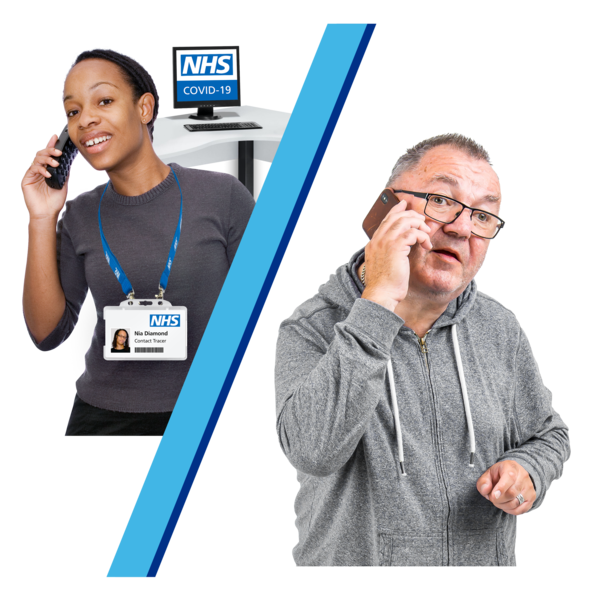
You might get a phone call from test and trace if you have been in contact with someone who has the virus.
Easy read guidance for people who need to self-isolate
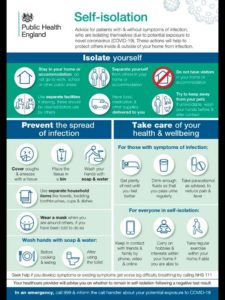
Public Health England have made a useful poster about self isolation.
This is useful if you think you might have the virus or if you have have been in contact with someone else who has symptoms of Coronavirus.
This is guidance for people who think they might have the virus or have some of the symptoms. It is also for people who have been in direct contact with someone with coronavirus.
Government guidance for people who need to self isolate
Easy Read posters from Photosymbols on the latest guidance including testing and shielding.
Easy read information on face coverings made by Mencap
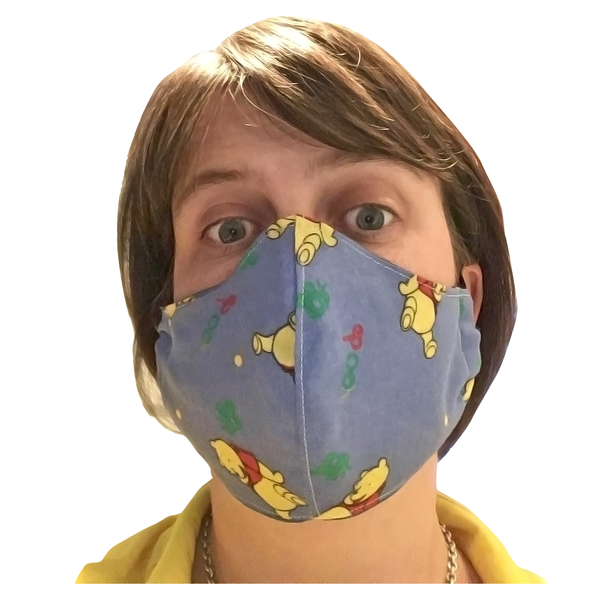
Social Story on why people are wearing masks
Public Health England have made a useful poster about self isolation if you think you might have the virus or have been in contact with someone else who has symptoms of coronavirus. You can see this below:

The Coronavirus situation keeps changing all the time. On this page you will find older guidance documents which are now out of date. But you might still find them useful.
NHS services access during Coronavirus guidance – full and easy readversions.
NHS guidance about discharge from hospital during Covid 19.
The Office for National Statistics published Coronavirus (COVID-19) related mortality by religion, ethnicity and disability: England and Wales, 2 March 2020 to 15 May
Government guidance about staying home
Government guidance for social care including guidance on residential, supported living and home care settings.
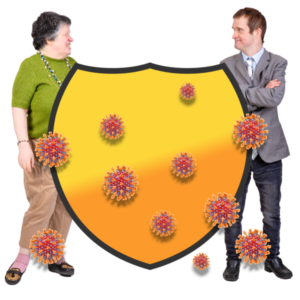

If you have a serious illnesses or health condition, you might have been asked to shield to protect yourself from Coronavirus.
This means staying at home and not seeing anybody unless you have to.
The advice about shielding is now changing. And everyone’s health conditions and support needs are different.
If you are unsure about whether you should still be shielding, ask your doctor or consultant.
Latest guidance on shielding – full version (Updated 4 August 2020)
This guidance is for adults and children in England who are clinically extremely vulnerable.
If you’re clinically extremely vulnerable you should have received a letter confirming this or have been told directly by your GP or hospital clinician.
Easy read guidance on shielding from Public Health England. (Updated August 2020)
If you are confused or unsure about what to do, ask your GP.
Guest blog by Ivan Olbrechts, Representative Body family and friends member

Today Learning Disability England has joined with 22 other organisations to send a Joint Statement to Matt Hancock (Secretary of State for Health and Social Care) Nadhim Zahawi (Under Secretary of State for Vaccine Rollout) and Simon Stevens (NHS CEO).

Guest Blog from Angela Catley, Director of Development at Community Catalysts
This blog contributes to the #SocialCareFuture debate.

Covid-19 information on their homepage
Online Groups for Young People
CouRAGEus Web Chat Service For Young Women and Girls aged 13-25 who have experienced gender based violence
Forensic Service (risk analysis/assessment, forensic psychotherapy and circles of support and accountability (COSA) to young people and adults who demonstrate sexually harmful behaviour and are a risk to themselves and/or others.)