

‘No furlough breaks, no time to spring clean or bake cakes.’ Life in Lockdown – a Family Carer’s Voice

Blog by Wendy Burt, Representative Body Co Chair – Family and Friends, and Paula Strike
Stronger, Louder, Together!
STAKEHOLDERS – COVID-19 Vaccines – Top lines and Q&A
Everyone working in care homes to be fully vaccinated under new law to protect residents
JCVI announcement regarding AstraZeneca vaccine and next steps
JCVI statement on use of the AstraZeneca COVID-19 vaccine: 7 April 2021
Vaccine update: March edition – Latest developments in vaccines, vaccination policies and procedures for immunisation practitioners.
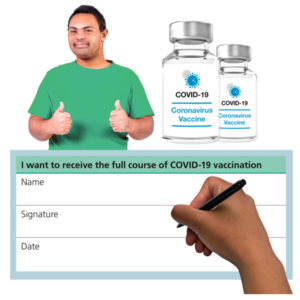
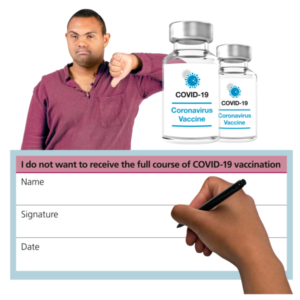
The coronavirus vaccine: Frequently asked questions – from NHS England. See easy read FAQ’s here.
COVID vaccination: easy-read leaflets – from GOV.UK
Short videos in several community languages helping people to understand public health guidance around the vaccine – from Near Neighbours
General guidance about the Covid-19 vaccine for England
Information and resources to support roll out of COVID-19 vaccination – from the North East and Cumbria Learning Disability Network
COVID-19 vaccine deployment programme: unpaid carers (JCVI priority cohort 6)
COVID-19 vaccinations for community-based social care workers
Vaccination of JCVI cohorts 5-6 – letter from the Medical Director for Primary Care at NHS England and NHS Improvement
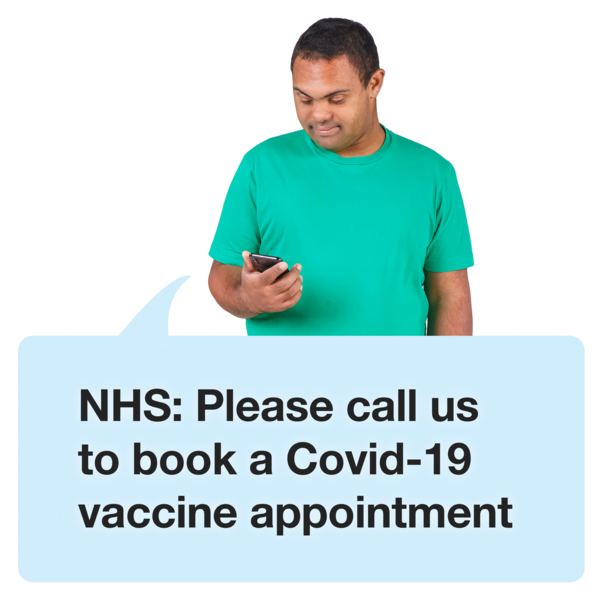
How to access the national coronavirus vaccine booking service – NHS guidance
Guidance about how the vaccine will be rolled out and how decisions about eligibility will be made.
Posters and other accessible resources from Public Health England about the vaccine roll out.
Coronavirus vaccine: Easy Read – from Mencap
A guide to your COVID vaccination – Easy read from Public Health England
Covid-19 Vaccination, First phase priority groups: Easy Read – from Public Health England
UK COVID-19 vaccines delivery plan – how the UK government was able to build up a supply of vaccines and how it is planning to deploy them
COVID-19 vaccines: Booking a vaccination – Easy read from Suffolk Learning Disability Partnership
Poster of priority groups for Covid-19 vaccine from Keep Safe / PhotoSymbols
Guidance about the vaccine for women who are pregnant or breastfeeding.

What is a vaccine? Video from NHS England
Video information about the covid vaccine: For people with a learning disability and autistic people – from NHS England
Q&A Vaccine video – from the chair of the COVID-19 Social Care Taskforce
Coronavirus vaccine: Easy Read – from Down’s Syndrome Association
Coronavirus vaccine Easy Read resources – from Mencap
A video conversation about the pandemic and Covid-19 Vaccine roll-out – from Dimensions UK
Vaccine information for siblings – from Sibs UK
Covid-19 vaccination: your questions answered – from Contact (for families with disabled children)
Covid-19 vaccination programme – What do I need to know? – a blog from The Disability Unit
Covid-19 vaccination: British Sign Language resources
Beating the virus – wordless story from Books Beyond Words
A wide range of different organisations from across the country are members of Learning Disability England. These include self-advocacy organisations, family organisations and paid supporters such as service providers, commissioners, universities, development agencies.
To find out more about each member organisation, please click on the links below.



Ciara talks about getting her vaccine – a video from Mencap
Emily talks about getting her vaccine – a video from Skills for People
Shamima and Yasmin talk about getting the vaccine
A guide to your Covid vaccination – from Public Health England
Short film about how important it is to have the Covid vaccine and what you should do after you’ve had it – from NHS England
Having a coronavirus vaccine – animated video from Dimensions UK
What to do after your Covid vaccination – an animated film from NHS England
Coronavirus vaccinations: a video guide for people with learning disabilities and carers – from NHS Devon CCG
Vaccine in a car park video – from Heart News
Liverpool vaccine clinic for learning disabled people – Guardian article
Supporting Amanda, who has a learning disability, to overcome her fear of needles – video from Primary Care Wirral Federation
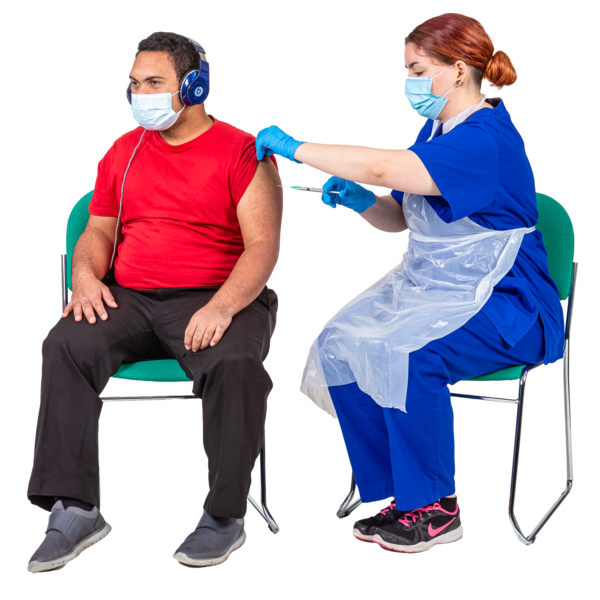
What happens at your appointment – NHS Guidance
What it was like for Sean, who has Down’s Syndrome, getting the Covid Vaccine – a PowerPoint presentation
Jemma’s COVID-19 Vaccination Story – Jemma tells Ace Anglia what happens when she got her vaccine and what you should expect
Guidance about what to expect after your Covid-19 vaccine – Public Health England
Video on what to Expect After Getting the COVID-19 Vaccine – from Centers for Disease Control and Prevention
What happens at the Covid vaccine centre and how to ask for help– video from Leeds Teaching Hospitals NHS Trust
Wordless Story on Having a Vaccine for Coronavirus – from Books Beyond Words

Learning Disability England is bringing people and organisations together to create a movement for change where people with learning disabilities, families, friends and paid supporters come together on an equal basis.

When you join Learning Disability England, you are becoming part of this movement.
This means you are agreeing with our aims.

We organise our membership to reflect three different experiences and voices:
– Self-advocates (including self-advocacy organisations)
– Families and friends (including family carer and support organisations)
– Paid supporters and partners (including individuals who work in social care, service providers, commissioners, universities, development agencies and others)

Membership of Learning Disability England is an opportunity:
To be a part of the change Learning Disability England members are making together

To influence and inform the campaigning, influencing and key messages Learning Disability England uses in its work with partners, government or members.

All members get:

Up to date information, news and resources including a weekly email newsletter.
Help to be well connected and not isolated by joining a network of like-minded people and organisations.

Access to events, meetings and conferences we run at a reduced rate or free where we can.
This includes being entered into a lottery for a free ticket to our annual conference.

A formal vote on key decisions, including Representative Body elections.
A say in what Learning Disability England does day to day.
Groups and organisations also benefit by:

Helping your organisation’s mission
By supporting work or campaigns you agree with.
By contributing to a wider benefit to your community of interest or
beneficiaries.

Helping change and improve what you do
You get good information, solutions to problems and new ideas through facilitated co-production and quality and improvement tools and networks.
Everyone is challenged, based on rights and people with learning disabilities’ priorities – a conscience and a help.

Facilitated problem-solving networks or debates on issues that face people and organisations including policy and practice changes.
For example, Learning Disability England members have worked together on challenging the misuse of DNAR notices and directly influenced the work on stopping them.
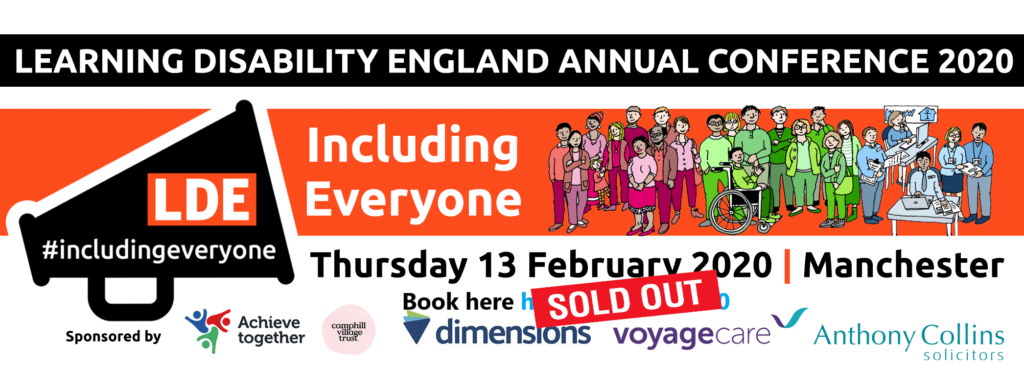
Paid supporter organisational members with a turnover of £1 million or more get a free place at the annual conference.
Enhanced paid supporter organisational members also get 2 days of free direct support from the Learning Disability England team on a relevant issue chosen by the member.
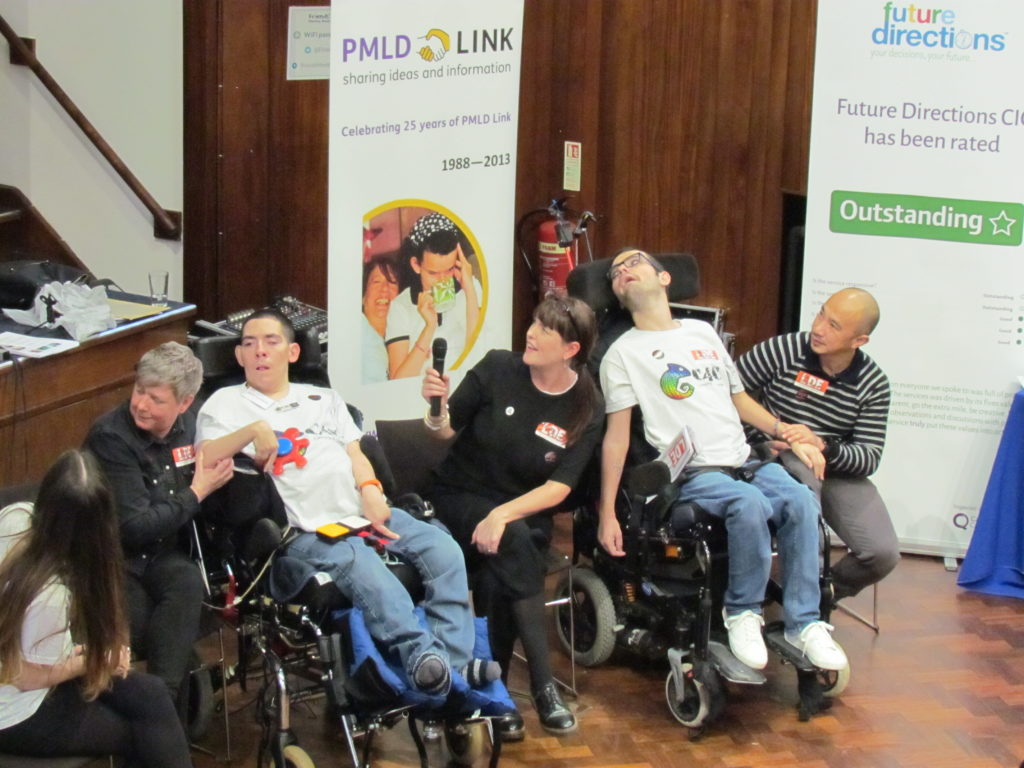
We work hard to make sure that people with learning disabilities’ voices are strong in Learning Disability England and not drowned out.
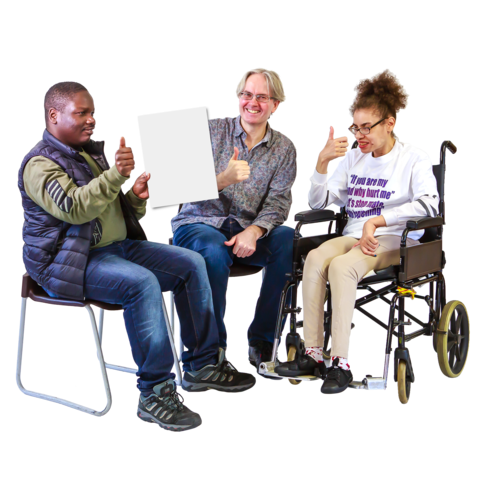
So we keep a check on what experiences individual members bring, as well as making sure organisations do not have more say on what we do because they are big or have more money.
If a member behaves in a way that may go against our beliefs or policies, Learning Disability England follows a set process to decide if they should leave.
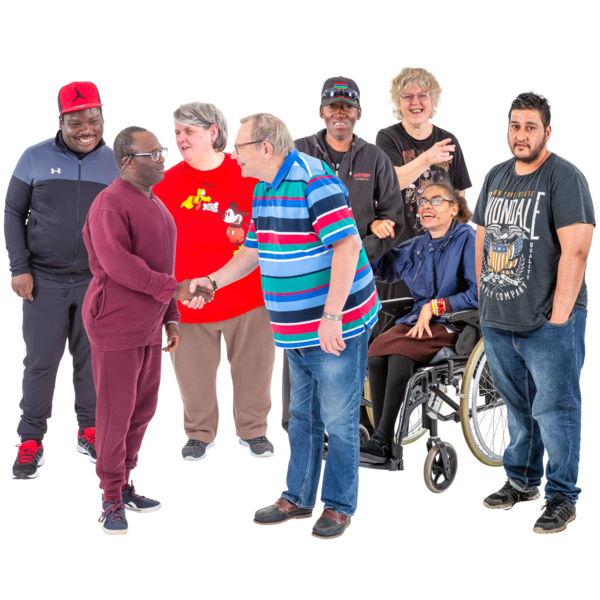
Learning Disability England aims to have a strong and positive network of members with shared aims and who work well together and support each other.

To achieve this, Learning Disability England has policies in place that state our beliefs as an organisation and how we expect members to behave.
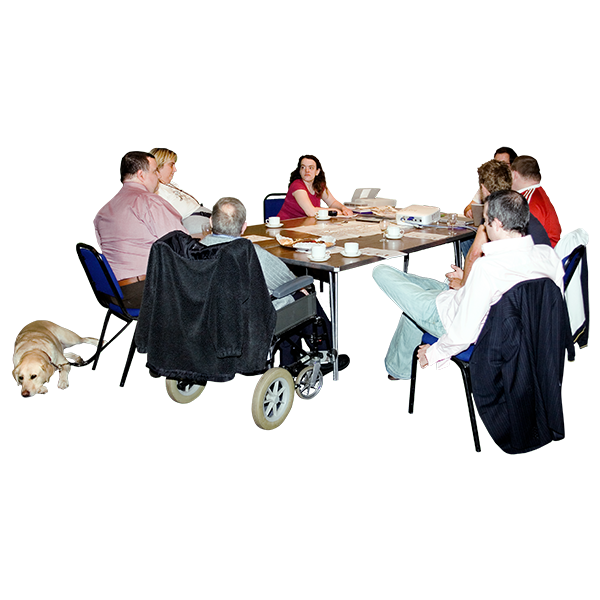
Learning Disability England develops these policies by speaking to members about what’s important to them and adopting good policies that already exist.

If Learning Disability England is told or finds out that a member is behaving in a way that goes against our beliefs or policies, we will follow our Members Working to Shared Aims Policy and Operational Procedures.
Learning Disability England does not exist to check on members.
But it does not want to stand by if any members are not acting in line with the
aims and values.

And in line with these values, Learning Disability England service or support organisation members must always involve people and families in decision making about their lives – ‘nothing about us without us’.

We will always remember that:
• Learning Disability England’s membership has people who share the same aims but might do things in different ways.
• Members must agree with our four aims and act in line with them and the values.
• We do not expect any Learning Disability England member to be perfect. We do expect them to be trying to do things better and learn from mistakes.

But if there is a big problem that we cannot sort out, the member might have to leave Learning Disability England.
If a member is asked to leave but they disagree with the decision, the member can appeal to a sub-group of Trustees or Rep Body members. Their decision will be final.
Equality is a big issue for people with a learning disability and Learning Disability England. That’s why we work hard to make sure every member is treated equally and their voice is heard.
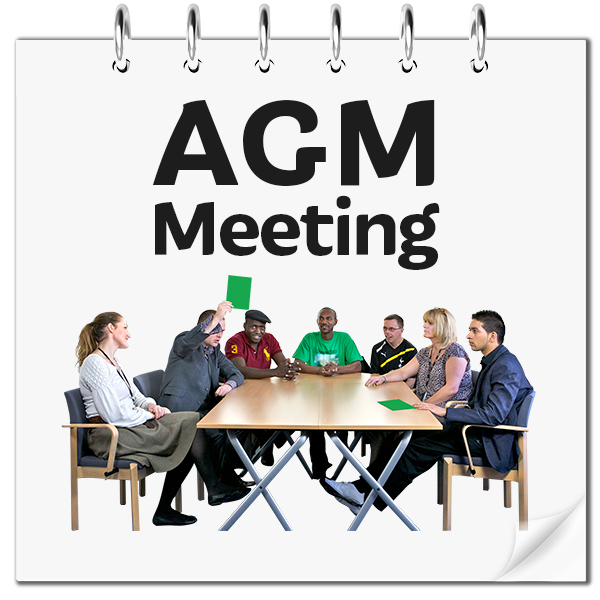
A key way all members are treated equally is by giving them only one vote each on big Learning Disability England decisions.

So whether you are one person with a learning disability, a family member or friend, or a small or big organisation, you only get one vote.

Each member also has an equal vote on who should represent them on Learning Disability England’s Representative Body.
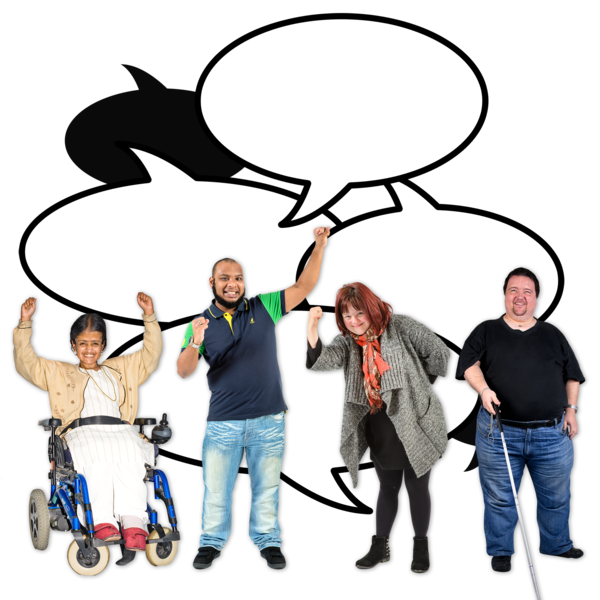
The Representative Body acts on the behalf of members and makes important decisions about what Learning Disability England says and does.
The Representative Body also plays a key role in deciding whether a member should leave or not when things go wrong.
Blog by Wendy Burt, Representative Body Co Chair – Family and Friends, and Paula Strike