The Good Lives framework brings together people’s thoughts and ideas about what it will take for everyone with learning disabilities to be able to live their good life.
The framework is there for anyone who is interested.
Learning Disability England host it but they do not control it.
It is not an end point. It is not a report.
It is a framework to start a debate or give ideas for action
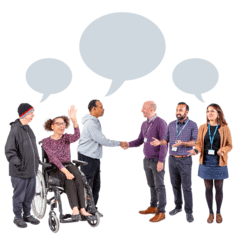
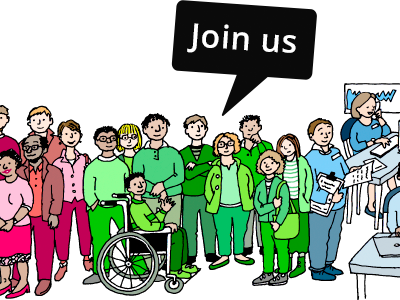
Learning Disability England is bringing people and organisations together to create a movement for change where people with learning disabilities, families, friends and paid supporters come together on an equal basis.
When you join Learning Disability England, you are becoming part of this movement.
– Families and friends (including family carer and support organisations)
– Paid supporters and partners (including individuals who work in social care, service providers, commissioners, universities, development agencies and others)
Membership of Learning Disability England is an opportunity:
To be a part of the change Learning Disability England members are making together
A say in what Learning Disability England does day to day.
Groups and organisations also benefit by:
Helping your organisation’s mission
By supporting work or campaigns you agree with.
By contributing to a wider benefit to your community of interest or beneficiaries.
Helping change and improve what you do
You get good information, solutions to problems and new ideas through facilitated co-production and quality and improvement tools and networks.
Everyone is challenged, based on rights and people with learning disabilities’ priorities – a conscience and a help.
Facilitated problem-solving networks or debates on issues that face people and organisations including policy and practice changes.
For example, Learning Disability England members have worked together on challenging the misuse of DNAR notices and directly influenced the work on stopping them.
Paid supporter organisational members with a turnover of £1 million or more get a free place at the annual conference.
Enhanced paid supporter organisational members also get 2 days of free direct support from the Learning Disability England team on a relevant issue chosen by the member.
We work hard to make sure that people with learning disabilities’ voices are strong in Learning Disability England and not drowned out.
So we keep a check on what experiences individual members bring, as well as making sure organisations do not have more say on what we do because they are big or have more money.
DNR: August Update
We know that for people with learning disabilities, there is lots of bad practice around DNR decisions.
Since the outbreak of Covid-19 we have worried this might have got worse.
This is our latest update on DNR decisions.
It talks about what we know is happening and what can be done to challenge bad decisions.
What is a DNR?
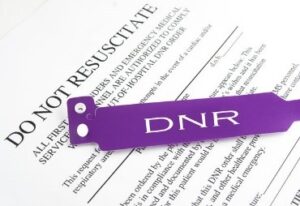
A Do Not Attempt Cardio Pulmonary Resuscitation order is a medical document.
They are sometimes called DNACPR or DNAR or DNR.
DNACPR is the official name. On this page we are going to call it DNR because its more accessible.
It means that if someone’s heart stops working doctors will not try to restart it.
Doctors should only put a DNR order on someone’s file if they believe someone is dying and there is no chance they will get better.
If doctors do not think restarting someone’s heart will help them get better, they will create a DNR order.
You and your family should be included in decisions about this.
No one should have a DNR put on their file just because they have a learning disability.
The LeDeR report
In July the LeDeR report for 2019 came out.
The LeDeR report looks at all the people who have a learning disability who have died in the last year.
It is to help us think about why people have died and how we can stop preventable deaths.
Of the deaths looked at in the report, 16% had a DNR decision that did not follow the proper guidelines.
The report confirms that illegal DNR decisions happened in 2019.
88 organisations filled in a snap shot survey in late April. They told us about Do Not Attempt Resuscitation (DNAR) decisions during coronavirus for the people they support.
The survey found that approximately two thirds of the organisations replying did not report an increase in DNARs in 2020 for the people they support.
But some organisations said DNAR decisions had been made either on groups of people or on individuals without consultation with them, their loved ones or the people who support them. This was not in accordance with guidance and best practice, and in some cases could be illegal.
Some DNAR decisions had been made without a person or their supporters being involved.
8 organisations had seen DNARs placed in people’s records without consultation in March, and despite the publicity and clear guidance, 10 reported this happening in April.
The Representative Body Co Chairs Wendy, Scott and Jordan said
“Decisions on people’s treatment being made based on them having a learning disability are never OK – even one is too many. We are pleased to hear there are examples of people and their supporters being positively involved but we want to see all lives valued and people not fearful of others writing them off”
Organisations had been able to help people get bad DNAR decisions changed.
We are clear that DNAR decisions can be the right thing for some people or situations. We do not want people to be afraid of thinking and talking about advance care planning and DNAR, or of making the choice that is right for them.
Learning Disability England is now working with some members on additional resources that can support people to challenge poor processes or unlawful use of DNARs.
The Chair of the United Nations Committee on the Rights of Persons with Disabilities also issued a joint statement on persons with disabilities and Covid-19.
The template can be changed to add your personal details.
We carried out a ‘snapshot’ survey at the end of April to find out the experiences of our members and DNAR during the pandemic. Read the Full Report and Easy Read here
Read the Case Studies some of our members gave us as part of the survey.
Equality is a big issue for people with a learning disability and Learning Disability England. That’s why we work hard to make sure every member is treated equally and their voice is heard.
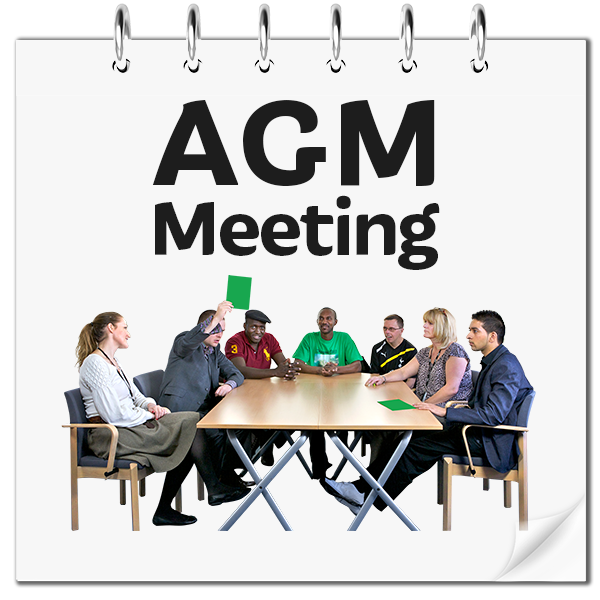
A key way all members are treated equally is by giving them only one vote each on big Learning Disability England decisions.
So whether you are one person with a learning disability, a family member or friend, or a small or big organisation, you only get one vote.
Each member also has an equal vote on who should represent them on Learning Disability England’s Representative Body.
The Representative Body acts on the behalf of members and makes important decisions about what Learning Disability England says and does.
The Representative Body also plays a key role in deciding whether a member should leave or not when things go wrong.
Welcome
Welcome to the Learning Disability England home page
Learning Disability England is bringing people and organisations together to create a movement for change where people with learning disabilities, families, friends and paid supporters come together on an equal basis.Join the movement here.
As a membership organisation, members work together to build a world where people with learning disabilities have good lives with equal choices and opportunities as others. Find out how here.
Learning Disability England is a membership organisation and England’s only national movement where people with learning disabilities, families, friends and people in paid supporter roles come together on an equal basis.
That’s because we are stronger and louder together! Together we work towards people with learning disabilities and their families having good lives.
We aim to make sure that what is important to people with learning disabilities is heard and understood and their is a change in behaviour in service design and delivery that is built on rights.
We also aim to demonstrate that co-production and collaborative working makes a difference, and live according to our values and model the kind of change we want.
Learning Disability England is made up of the members, the Representative Body, the board of Trustees and the staff, which you can learn more about using the buttons below.
If you want to read more about the governance arrangements of Learning Disability England you can read an easy version of our Articles of Association here.
A bit of history
Watch the video to listen to Gary Bourlet, now one of the Membership and Engagement Leads, talk about how he helped to set up Learning Disability England.
Learning Disability England was founded in 2016.
It is a registered charity.
For a long time people with learning disabilities have not been seen or treated as equals in society.
Self-advocate Gary Bourlet tried to change this by setting up a national self-advocacy organisation called People First England.
He was supported by Housing & Support Alliance, a charity promoting good support and housing for people with learning disabilities.
But both People First England and Housing & Support Alliance wanted to do more.
They wanted to do something new.
They could see change wasn’t happening fast enough because the learning disability sector was fragmented.
People weren’t working together.
Gary and the Housing and Support Alliance brought some like minded people together to create a movement for change.
These self-advocates, families and organisations worked with Gary and the Housing and Support Alliance to build Learning Disability England.
They made this new organisation a membership organisation where people signed up to the values.
Every member would be equal, whether it was a big support provider or a self advocate, with one vote each for decisions and elections.
The Founding Members are the organisations that helped build Learning Disability England.
We are very grateful for all their support, time and funding.
Learning Disability England’s Founding Members are:
Advance Aldingbourne Trust Avenues Trust BILD Brampton Brandon Trust Bromford Centre for Welfare Reform Certitude CHANGE Choice Support CMG Connect In The North Dimensions Essex County Council Essex Family Carers Network Foundation for People with Learning Disabilities Hft Inclusion North Kent County Council KeyRing MacIntyre mcch NDTi Paradigm Progress Housing Reside Housing Respond Swanton Care Three Cs United Response
Key Documents
Annual Reportsand Impact Statements
Read all of the annual reports, impact statements and AGM notes here.
The Vision for Change
The Vision for Change says the difference Learning Disability England wants to make.
All work at Learning Disability England is moving towards this vision.