The Valuing People Alliance includes organisations who all work nationally with people with learning disabilities, autistic people, their families and the wider social care, health and disability community.
To find out more about the Dynamic Support Register project click here.
To find out more about the co-production project click here.
Members of the Health and Wellbeing Alliance have done lots of work over the last few years. You can find out more about these projects at the Health and Wellbeing Alliance Resource Library which is hosted by National Voices by clicking here.
About the Alliance member organisations
The Valuing People Alliance consists of 7 organisations.
Click on the links to find out more about them and what they do.
For more information about the Valuing People Alliance and its work, please contact Dave Mahon, VPA Coordinator by emailing David.Mahon@LDEngland.org.uk or phoning 0300 111 0444.
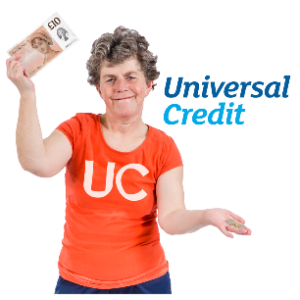
Universal Credit affects learning disabled people more than other groups of people. We’ve been worried that people with learning disabilities haven’t been included when talking about those effects.
We’ve been talking to members about how universal credit has affected them.
We’ve started working with others to make sure people voices are heard and support is accessible and inclusive.
This includes trying to understand the numbers of unexpected deaths and incidents reported to CQC by providers and shared in the BBC file on 4 programme in February 2019.
We have written a report on what we have found out so far and are doing next
Learning Disability England members are working together to help make self advocacy stronger by:
Helping to find and share evidence on what difference self advocacy makes
Connecting self advocates and sharing information on what self advocacy groups there are
Supporting a self-advocacy movement working towards improving health through rights.
Learning Disability England had help from the Academics Network to start this part of our work.
Jan Walmsley, one of Learning Disability England’s Trustees and a respected academic, has done a summary of what we know about self advocacy from what self advocates and researchers have said.
Jan also started a list of the research on self-advocacy and what difference it makes.
We are sharing this so everyone can share what they know about evidence and impact to help make arguments for self-advocacy or help people (like funders) understand it.
Connecting people – list of self advocacy groups in England
Learning Disability England has supported some work done by Sunderland People First in partnership with the University of Sheffield to create a website of self advocacy groups in England.
During the coronavirus pandemic We have run regular sessions bringing self advocates and family members together to share ideas and solutions.
You can find out more about that here.
You can book onto future sessions and listen to recordings of past sessions here.
Spokespeople
Learning Disability England staff do not speak for members on important issues.
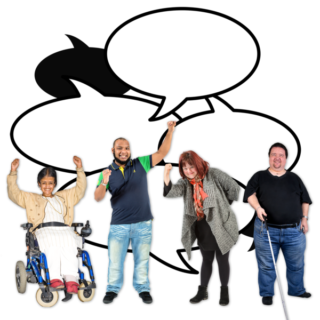
Instead we work with self advocate and family members to make sure they have the skills and confidence to speak up for themselves, get their voices heard and to tell people what is important to them.
You can find out more about Learning Disability England spokespeople here.
Health Through Rights – Self Advocacy as a Social Movement
Learning Disability England has also been working with 5 self-advocacy or human rights organisations as one of seven social movements for better health supported by Nesta.
With the help of the North West Regional Forum and NWTDT / Pathways team in February Self Advocacy groups from across the country got together.
This convention ran alongside the North West annual self-advocates conference.
About 40 people came from as far away as Brighton and Sunderland (and in between) to Blackpool for 3 days working together, sharing ideas and building networks
We will share the reports and actions on this page and updates as we go along
Sunderland People First did a session on what difference advocacy makes. They asked us all to share self-advocacy groups’ work or self-advocates on a hashtag so people can start to see #SelfAdvocacyWorks – please join in if you can
Please click here to view notes on the Benefits of self-advocacy
Please click here to view the notes on the Barriers to self-advocacy
Jan Walmsley prepared a report for My Life My Choice and as part of her work sharing the self-advocacy tool kit with Alan that they developed in Wales. Please click here for Jan’s report
Gary Bourlet has written a short blog sharing his thoughts and impressions about the convention. Please click here to view
Sam Clark has written a short blog about the self advocacy convention in Blackpool in February. Please click here to view.
Learning Disability England has been working with Christine Towers at Together Matters to put together a short paper that shares some of the things families have said about what has happened to them since March.